Starting a carbon dioxide factory can be a lucrative and environmentally conscious venture. As a supplier of carbon dioxide production equipment, I've witnessed firsthand the potential of this industry. In this blog post, I'll share my insights on how to start a carbon dioxide factory, covering everything from market analysis to equipment selection and regulatory compliance.
Market Analysis
Before diving into the carbon dioxide factory business, it's crucial to conduct a thorough market analysis. Understanding the demand for carbon dioxide in your target market will help you determine the viability of your project. Carbon dioxide has a wide range of applications, including food and beverage carbonation, fire extinguishers, medical uses, and industrial processes.
Research the current and future demand for carbon dioxide in your area. Look into industries that rely heavily on carbon dioxide and assess their growth potential. Additionally, analyze your competitors, their market share, and the quality of their products. This information will help you position your carbon dioxide factory effectively and identify unique selling points.
Business Plan
A well-crafted business plan is the foundation of any successful venture. It outlines your goals, strategies, financial projections, and operational plans. When creating a business plan for your carbon dioxide factory, consider the following elements:
- Executive Summary: Provide an overview of your business, including its mission, vision, and goals.
- Market Analysis: Summarize your findings from the market research, highlighting the demand for carbon dioxide and your target customers.
- Product Introduction: Describe the types of carbon dioxide products you plan to offer, such as liquid carbon dioxide, dry ice, or gaseous carbon dioxide.
- Marketing and Sales Strategy: Outline your marketing and sales plans, including how you will promote your products and reach your target customers.
- Operations Plan: Detail the day-to-day operations of your carbon dioxide factory, including the production process, quality control measures, and inventory management.
- Management Team: Introduce the key members of your management team and their relevant experience.
- Financial Projections: Provide detailed financial projections, including startup costs, revenue forecasts, and profit and loss statements.
Location and Facility
Choosing the right location for your carbon dioxide factory is essential. Consider factors such as proximity to raw materials, transportation infrastructure, and access to utilities. The facility should have sufficient space for production, storage, and administrative functions.
Ensure that the facility meets all local building codes and environmental regulations. It should be equipped with proper ventilation systems, safety equipment, and fire suppression systems. Additionally, consider the layout of the facility to optimize workflow and efficiency.
Raw Materials and Suppliers
Carbon dioxide can be produced from various sources, including natural gas, biogas, and industrial waste gases. Identify reliable suppliers of raw materials and establish long-term contracts to ensure a stable supply. Consider the quality, price, and availability of the raw materials when selecting suppliers.
In addition to raw materials, you'll need to source other supplies and equipment for your carbon dioxide factory, such as compressors, condensers, storage tanks, and transportation vehicles. Choose suppliers with a proven track record of quality and reliability.
Equipment Selection
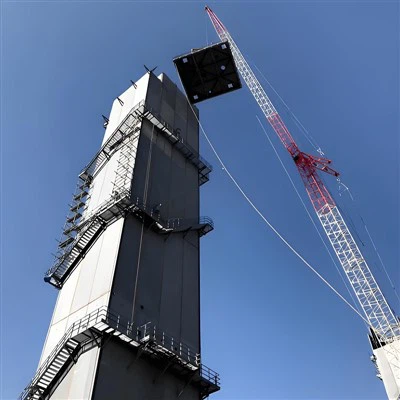
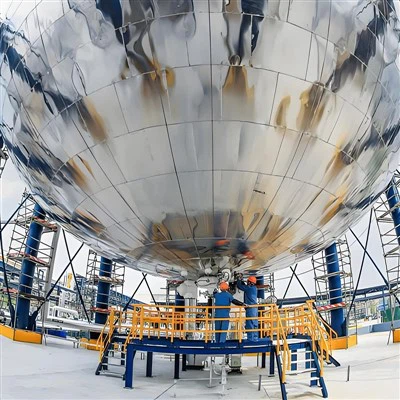
Selecting the right equipment is crucial for the efficient and cost-effective production of carbon dioxide. There are several types of equipment available, including Carbon Dioxide Factory and Co2 Air Separation Unit.
When choosing equipment, consider factors such as production capacity, energy efficiency, reliability, and ease of maintenance. Look for equipment that is designed to meet your specific production requirements and can be easily integrated into your existing operations.
Production Process
The production process of carbon dioxide involves several steps, including purification, compression, liquefaction, and storage. The exact process will depend on the type of raw materials and the desired product.
Here is a general overview of the production process:
- Purification: The raw materials are purified to remove impurities such as water, sulfur compounds, and other contaminants.
- Compression: The purified carbon dioxide is compressed to increase its pressure and density.
- Liquefaction: The compressed carbon dioxide is cooled to a temperature below its critical point, causing it to liquefy.
- Storage: The liquid carbon dioxide is stored in tanks until it is ready to be transported or used.
Quality Control
Maintaining high-quality standards is essential for the success of your carbon dioxide factory. Implement a comprehensive quality control program to ensure that your products meet or exceed industry standards. This may include regular testing of raw materials, in-process products, and finished products.
Use advanced analytical techniques to monitor the quality of your carbon dioxide, such as gas chromatography and mass spectrometry. Establish strict quality control procedures and train your employees on proper quality control practices.
Regulatory Compliance
Starting a carbon dioxide factory requires compliance with various local, state, and federal regulations. These regulations may cover areas such as environmental protection, workplace safety, and product quality.
Research the specific regulations that apply to your carbon dioxide factory and ensure that you obtain all the necessary permits and licenses. Work closely with regulatory agencies to ensure that your operations are in full compliance with the law.
Marketing and Sales
Once your carbon dioxide factory is up and running, it's time to start marketing and selling your products. Develop a comprehensive marketing and sales strategy to promote your products and reach your target customers.
Some effective marketing and sales strategies for carbon dioxide products include:
- Direct Sales: Establish relationships with potential customers and sell your products directly to them.
- Distributors: Partner with distributors to expand your market reach and increase sales.
- Online Marketing: Use online platforms such as websites, social media, and email marketing to promote your products and generate leads.
- Trade Shows and Exhibitions: Participate in industry trade shows and exhibitions to showcase your products and network with potential customers.
Financial Management
Proper financial management is crucial for the success of your carbon dioxide factory. Develop a detailed budget and financial plan to manage your costs and revenue. Monitor your financial performance regularly and make adjustments as needed.


Consider working with a financial advisor or accountant to help you manage your finances effectively. They can provide valuable insights and advice on topics such as cash flow management, tax planning, and financial reporting.
Conclusion
Starting a carbon dioxide factory is a complex and challenging but rewarding venture. By following the steps outlined in this blog post, you can increase your chances of success. Remember to conduct thorough market research, develop a comprehensive business plan, choose the right location and equipment, implement a quality control program, and comply with all relevant regulations.
If you're interested in starting a carbon dioxide factory or need more information about our Carbon Dioxide Manufacturing Plant and equipment, please don't hesitate to contact us. We're here to help you every step of the way.
References
- [Title of Book 1], Author 1, Publisher 1, Year 1
- [Title of Book 2], Author 2, Publisher 2, Year 2
- [Title of Article 1], Author 3, Journal 1, Volume 1, Issue 1, Year 3
- [Title of Article 2], Author 4, Journal 2, Volume 2, Issue 2, Year 4