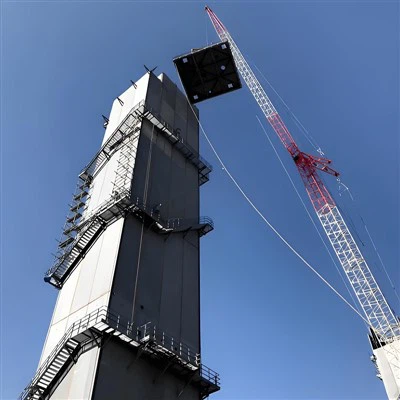
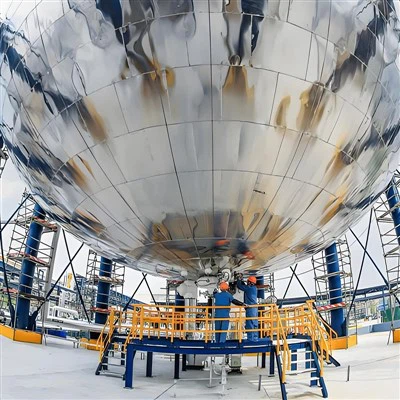
As a reputable supplier for CO2 manufacturing plants, I understand the paramount importance of security measures in these facilities. CO2 manufacturing plants play a crucial role in various industries, from food and beverage to medical and industrial applications. Ensuring the safety and security of these plants is not only a legal requirement but also a moral obligation to protect workers, the environment, and the surrounding communities. In this blog post, I will delve into the key security measures that should be implemented in a CO2 manufacturing plant.
Physical Security
Physical security is the first line of defense for any CO2 manufacturing plant. It involves measures to prevent unauthorized access to the facility, protect equipment and assets, and ensure the safety of personnel.


Perimeter Security
A well-defined perimeter is essential for keeping unauthorized individuals out of the plant. This can be achieved through the installation of fences, gates, and security cameras. The fences should be of sufficient height and strength to deter intruders, and the gates should be equipped with access control systems that require proper authentication, such as key cards or biometric scanners. Security cameras should be strategically placed around the perimeter to monitor all entry and exit points, as well as any areas that are vulnerable to unauthorized access.
Access Control
Access control systems are used to manage who can enter different areas of the plant. These systems can be based on various technologies, such as key cards, biometric scanners, or PIN codes. Each employee should be issued with a unique access card or code that allows them to enter only the areas that are relevant to their job duties. This helps to prevent unauthorized access to sensitive areas, such as the control room, storage facilities, and production areas.
Surveillance Systems
In addition to perimeter security cameras, a comprehensive surveillance system should be installed inside the plant. This system should include cameras in all critical areas, such as the production floor, storage tanks, and loading docks. The cameras should be connected to a central monitoring station where security personnel can view the live feeds and respond to any suspicious activity. The surveillance system should also be equipped with motion sensors and alarms to alert security personnel in case of an intrusion or other security breach.
Lighting
Proper lighting is essential for ensuring the safety and security of the plant. Adequate lighting should be provided in all areas of the plant, including the perimeter, parking lots, and production areas. This helps to deter intruders and makes it easier for security personnel to monitor the facility. In addition, motion-activated lights can be installed in areas that are not frequently used to save energy and provide additional security.
Process Safety
Process safety is another critical aspect of security in a CO2 manufacturing plant. It involves measures to prevent accidents and incidents that could result in the release of CO2 or other hazardous substances.
Hazard Identification and Risk Assessment
The first step in ensuring process safety is to identify all the potential hazards associated with the CO2 manufacturing process. This includes hazards such as fire, explosion, toxic gas release, and equipment failure. Once the hazards have been identified, a risk assessment should be conducted to determine the likelihood and consequences of each hazard. Based on the results of the risk assessment, appropriate control measures can be implemented to reduce the risk to an acceptable level.
Safety Instrumented Systems
Safety instrumented systems (SIS) are designed to detect and respond to abnormal process conditions to prevent accidents and incidents. These systems typically include sensors, controllers, and final control elements, such as valves and switches. The SIS should be designed and installed in accordance with relevant standards and regulations, and should be regularly tested and maintained to ensure their reliability.
Emergency Response Planning
An emergency response plan is essential for ensuring the safety of personnel and the environment in the event of an accident or incident. The plan should include procedures for evacuating the plant, notifying emergency responders, and controlling the release of hazardous substances. All employees should be trained on the emergency response plan and should know their roles and responsibilities in case of an emergency.
Maintenance and Inspection
Regular maintenance and inspection of equipment and systems are essential for ensuring their safe and reliable operation. This includes routine inspections of pipes, valves, pumps, and other equipment, as well as preventive maintenance activities such as lubrication, calibration, and replacement of worn parts. In addition, all safety systems, such as fire alarms, sprinklers, and emergency shutdown systems, should be regularly tested and maintained to ensure their proper functioning.
Cybersecurity
In today's digital age, cybersecurity is becoming an increasingly important issue for CO2 manufacturing plants. These plants rely on a variety of digital systems and technologies, such as control systems, sensors, and communication networks, to operate efficiently and safely. However, these systems are also vulnerable to cyberattacks, which could result in the disruption of operations, the release of sensitive information, or the compromise of safety systems.
Network Security
Network security is the foundation of cybersecurity in a CO2 manufacturing plant. It involves measures to protect the plant's network from unauthorized access, malware, and other cyber threats. This includes the installation of firewalls, intrusion detection systems, and antivirus software, as well as the implementation of network segmentation and access control policies.
System Hardening
System hardening is the process of securing the plant's digital systems and technologies by removing unnecessary services, disabling unused ports, and applying security patches and updates. This helps to reduce the attack surface of the systems and makes them more resistant to cyberattacks.
Employee Training
Employees are often the weakest link in the cybersecurity chain. Therefore, it is essential to provide them with regular training on cybersecurity best practices, such as password management, phishing awareness, and safe browsing habits. All employees should be aware of the potential risks associated with cyberattacks and should know how to report any suspicious activity.
Incident Response Planning
An incident response plan is essential for ensuring the timely and effective response to a cyberattack. The plan should include procedures for detecting, analyzing, and responding to cyber incidents, as well as for restoring normal operations as quickly as possible. All employees should be trained on the incident response plan and should know their roles and responsibilities in case of a cyberattack.
Regulatory Compliance
CO2 manufacturing plants are subject to a variety of regulations and standards related to safety, security, and environmental protection. These regulations and standards are designed to ensure the safety of personnel, the environment, and the surrounding communities.
Compliance Management
A compliance management system is essential for ensuring that the plant complies with all relevant regulations and standards. The system should include procedures for identifying applicable regulations and standards, monitoring compliance, and taking corrective action in case of non-compliance.
Permitting and Reporting
CO2 manufacturing plants are typically required to obtain various permits and approvals from regulatory authorities before they can operate. These permits and approvals may include air quality permits, water discharge permits, and safety permits. In addition, the plant may be required to submit regular reports to regulatory authorities on its operations, emissions, and safety performance.
Audits and Inspections
Regulatory authorities may conduct audits and inspections of CO2 manufacturing plants to ensure compliance with regulations and standards. These audits and inspections may include on-site inspections, document reviews, and interviews with employees. The plant should be prepared to cooperate fully with regulatory authorities and to provide all requested information and documentation.
Conclusion
In conclusion, security is a critical issue for CO2 manufacturing plants. These plants face a variety of security threats, including physical security risks, process safety hazards, cybersecurity threats, and regulatory compliance requirements. To ensure the safety and security of these plants, it is essential to implement a comprehensive security program that includes physical security measures, process safety measures, cybersecurity measures, and regulatory compliance management. By taking these steps, CO2 manufacturing plants can protect their employees, the environment, and the surrounding communities, while also ensuring the efficient and reliable operation of their facilities.
If you are interested in learning more about our CO2 manufacturing plant solutions or would like to discuss your specific security requirements, please feel free to [initiate a contact for procurement discussions]. We are committed to providing our customers with the highest quality products and services, and we look forward to working with you to ensure the safety and security of your CO2 manufacturing plant.
References
- "Guidelines for Chemical Process Quantitative Risk Analysis," American Institute of Chemical Engineers (AIChE)
- "Process Safety Management of Highly Hazardous Chemicals," Occupational Safety and Health Administration (OSHA)
- "Cybersecurity for Industrial Control Systems," National Institute of Standards and Technology (NIST)
- "Carbon Dioxide Capture and Storage," International Energy Agency (IEA)