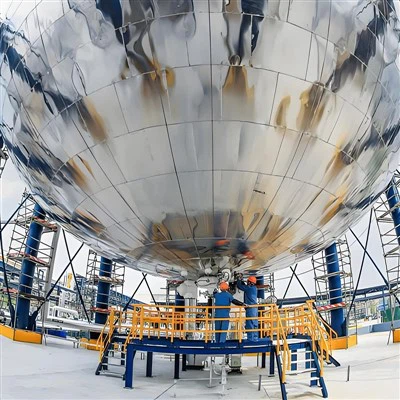
Hey there! As a supplier of Cryogenic Equipment, I've dealt with the ins and outs of shipping and transporting this specialized gear. It's not your average shipping job, that's for sure. In this blog, I'll share some key considerations you need to keep in mind when it comes to getting cryogenic equipment from point A to point B.
Understanding Cryogenic Equipment
First off, let's quickly go over what cryogenic equipment is. Cryogenic equipment is designed to handle extremely low temperatures, often below -150°C. This includes stuff like Gas Cryogenic Air Separation Plant, Cryogenic Equipment, and Cryogenic Air Separation Unit. These are used in various industries such as healthcare, aerospace, and energy for things like storing and transporting liquefied gases.
Regulatory Compliance
One of the biggest things you can't ignore is regulatory compliance. Shipping cryogenic equipment is heavily regulated because of the potential hazards involved. Different countries and regions have their own sets of rules, so you've got to do your homework. For example, in the US, the Department of Transportation (DOT) has strict guidelines on how cryogenic substances should be transported. You need to make sure your equipment meets all the safety standards, and you've got the right documentation. This includes things like safety data sheets, shipping manifests, and permits. Failing to comply can lead to some serious fines and delays, so it's not something to take lightly.


Packaging and Insulation
Proper packaging and insulation are crucial for cryogenic equipment. The goal is to keep the equipment at the right temperature during transit. You need to use high - quality insulation materials that can withstand the extreme cold. Vacuum - insulated panels are a popular choice because they offer excellent thermal resistance. The packaging should also be sturdy enough to protect the equipment from physical damage. It should be able to handle vibrations, shocks, and impacts that can occur during shipping. You might need to use custom - made crates or containers depending on the size and shape of the equipment.
Temperature Monitoring
Since cryogenic equipment operates at such low temperatures, you've got to keep a close eye on the temperature during shipping. There are various temperature monitoring devices available that can be attached to the equipment or the packaging. These devices can send real - time data to you or your shipping partners, so you can quickly detect if there are any temperature fluctuations. If the temperature goes out of the acceptable range, you can take immediate action, like adjusting the insulation or rerouting the shipment.
Mode of Transportation
Choosing the right mode of transportation is another important consideration. You've got a few options: road, rail, sea, or air. Each has its own pros and cons.
Road Transportation
Road transportation is often the most flexible option. It allows for door - to - door delivery, which can be really convenient. However, it's also subject to traffic conditions and weather. You need to make sure the trucks are equipped with the right safety features and insulation. Long - distance road trips can also increase the risk of temperature fluctuations, so you've got to plan your routes carefully.
Rail Transportation
Rail is a good option for transporting large - scale cryogenic equipment over long distances. It's generally more cost - effective than air transport and can handle heavier loads. But it might not offer the same level of flexibility as road transport. You'll need to coordinate with rail operators and make sure the equipment is properly loaded and secured.
Sea Transportation
For international shipments, sea transportation is often the way to go. It can handle large volumes of equipment, but it also has a longer transit time. You need to consider things like container availability, port regulations, and the risk of corrosion due to the salty sea air. Specialized shipping containers are required to ensure the equipment stays safe and at the right temperature.
Air Transportation
Air transportation is the fastest option, but it's also the most expensive. It's ideal for urgent shipments or when you need to get the equipment to a remote location quickly. However, there are strict weight and size limitations, and you'll need to work closely with airlines to ensure compliance with their safety regulations.
Handling and Loading
How the equipment is handled and loaded onto the transportation vehicle is also very important. You need to use trained personnel who know how to handle cryogenic equipment safely. They should be familiar with the proper lifting techniques and the use of specialized handling equipment like cranes and forklifts. The equipment should be loaded in a way that distributes the weight evenly and prevents any shifting during transit.
Insurance
No matter how careful you are, there's always a risk of something going wrong during shipping. That's why getting insurance is a must. You need to find an insurance policy that covers cryogenic equipment. Make sure it includes coverage for things like damage, theft, and temperature - related issues. The insurance company might also have its own requirements for how the equipment should be shipped, so make sure you understand these before you sign up.
Communication with Shipping Partners
Good communication with your shipping partners is key. You need to share all the relevant information about the cryogenic equipment, such as its dimensions, weight, and temperature requirements. This will help them plan the shipment better. You should also stay in touch during the shipping process to get updates on the status of the shipment. If there are any problems, you can work together to find a solution quickly.
After - Delivery Checks
Once the equipment arrives at its destination, you need to do a thorough inspection. Check for any signs of physical damage, leaks, or temperature - related issues. Make sure all the components are in working order. If you find any problems, you need to document them and contact your shipping partners and insurance company right away.
Conclusion
Shipping and transporting cryogenic equipment is a complex process that requires careful planning and attention to detail. From regulatory compliance to temperature monitoring, every step matters. As a supplier, I understand the importance of getting the equipment to my customers safely and on time. If you're in the market for Cryogenic Equipment and have questions about shipping or need a reliable supplier, don't hesitate to reach out. We can work together to ensure your cryogenic equipment is shipped and transported with the highest level of care.
References
- Department of Transportation (DOT), United States
- International Maritime Organization (IMO) regulations for sea transportation
- International Air Transport Association (IATA) regulations for air transportation