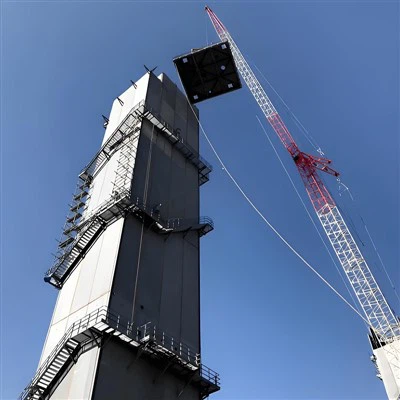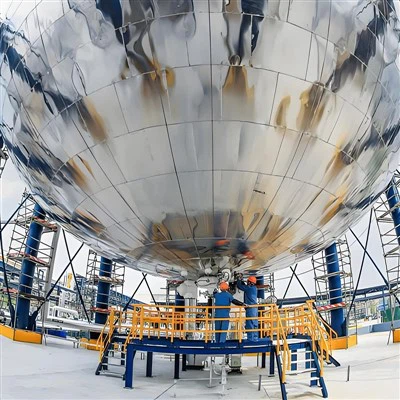
Hey there! As a supplier of Co2 Gas Plants, I've seen firsthand the various water - related issues that can crop up in these facilities. In this blog, I'm gonna break down some of the most common problems and how they can impact the overall operation of a CO2 gas plant.


Water Usage in CO2 Gas Plants
First off, let's talk about why water is so important in a CO2 gas plant. Water is used for a bunch of different processes. One of the main uses is for cooling. During the production of CO2, a lot of heat is generated. Cooling water helps to keep the equipment at a safe operating temperature. Without proper cooling, the machinery can overheat, leading to breakdowns and costly repairs.
Another use of water is in the purification process. Water is used to scrub and clean the CO2 gas, removing impurities and contaminants. This ensures that the final product meets the required quality standards. In some cases, water is also used for steam generation, which can be used to power turbines or other equipment in the plant.
Water Scarcity
One of the major water - related issues faced by CO2 gas plants is water scarcity. Many regions around the world are experiencing water shortages due to factors like population growth, climate change, and over - extraction of groundwater. When a CO2 gas plant is located in an area with limited water resources, it can be a real challenge to get enough water to meet the plant's needs.
This scarcity can lead to increased competition for water with other industries, agriculture, and local communities. In some cases, the plant may have to reduce its production capacity to conserve water. This not only affects the plant's profitability but also the supply of CO2 to customers.
Water Quality
Water quality is another crucial issue. The water used in a CO2 gas plant needs to meet certain standards. If the water is too dirty or contains high levels of contaminants, it can cause problems in the plant's equipment. For example, if the cooling water has a high concentration of minerals, it can lead to scale formation in the pipes and heat exchangers. This scale can reduce the efficiency of the cooling system, increasing energy consumption and potentially causing damage to the equipment.
In the purification process, poor - quality water can also affect the purity of the CO2 gas. Contaminants in the water can be transferred to the gas, making it difficult to meet the required quality specifications. This can result in the production of sub - standard CO2, which may not be suitable for certain applications.
Wastewater Disposal
Once the water has been used in the plant, there's the issue of wastewater disposal. The wastewater from a CO2 gas plant can contain various pollutants, such as chemicals, heavy metals, and suspended solids. Discharging this wastewater into the environment without proper treatment can have a negative impact on water bodies, soil, and local ecosystems.
Many countries have strict regulations regarding wastewater disposal. CO2 gas plants need to invest in wastewater treatment facilities to ensure that the wastewater meets the required environmental standards before it's discharged. This can be a significant cost for the plant, both in terms of the initial investment in the treatment equipment and the ongoing operational costs.
Energy - Water Nexus
There's also a strong connection between energy and water in a CO2 gas plant, known as the energy - water nexus. The process of treating and transporting water requires energy. Similarly, the production of CO2 in the plant requires water for cooling and other processes. This means that any changes in water availability or quality can have an impact on the plant's energy consumption, and vice versa.
For example, if the plant has to use more energy to treat poor - quality water, it can increase the overall operating costs. On the other hand, if there's a water shortage and the plant has to reduce its production, it can also affect the energy efficiency of the plant.
Solutions to Water - Related Issues
So, what can be done to address these water - related issues in a CO2 gas plant?
Water Conservation
One of the most obvious solutions is water conservation. This can involve implementing measures such as recycling and reusing water within the plant. For example, the cooling water can be treated and reused instead of being discharged after a single use. This not only reduces the plant's water consumption but also the amount of wastewater that needs to be disposed of.
Another way to conserve water is by using more efficient cooling technologies. For instance, dry cooling systems can be used instead of traditional wet cooling systems. Dry cooling systems use air instead of water for cooling, significantly reducing water consumption.
Water Treatment
Investing in advanced water treatment technologies is also essential. These technologies can help to remove contaminants from the water, improving its quality and making it suitable for use in the plant. For example, reverse osmosis can be used to remove dissolved solids from the water, while filtration systems can remove suspended solids.
Collaboration
CO2 gas plants can also collaborate with local communities, government agencies, and other industries to manage water resources more effectively. This can involve sharing water sources, developing joint water management plans, and supporting research and development on water - saving technologies.
Conclusion
In conclusion, water - related issues are a significant concern for CO2 gas plants. Water scarcity, poor water quality, wastewater disposal, and the energy - water nexus all pose challenges to the operation and sustainability of these plants. However, by implementing water conservation measures, investing in water treatment technologies, and collaborating with others, these issues can be managed.
If you're in the market for a Carbon Dioxide Capture Plant, Co2 Gas Plant, or CO2 Recovery And Production Plants, and you're worried about these water - related issues, don't hesitate to reach out. We're here to help you find solutions that work for your specific needs. Let's start a conversation about how we can make your CO2 gas plant more efficient and sustainable.
References
- "Water and Energy in the Industrial Sector: Challenges and Opportunities" - International Energy Agency
- "Water Quality and Its Impact on Industrial Processes" - American Water Works Association
- "Managing Water Scarcity in Industrial Settings" - World Bank