As a seasoned supplier of cryogenic oxygen plants, I've witnessed firsthand the transformative impact these facilities have on various industries. Cryogenic oxygen plants are essential for producing high-purity oxygen, which is used in numerous applications, from medical treatment to metal fabrication. In this blog post, I'll guide you through the installation process of a cryogenic oxygen plant, providing valuable insights and practical tips based on my extensive experience.
1. Pre - installation Planning
Before any physical installation begins, thorough planning is crucial. This stage sets the foundation for a successful and efficient installation process.
Site Selection
The first step is to choose an appropriate site for the cryogenic oxygen plant. The site should be well - ventilated to prevent the accumulation of oxygen, which can be a fire hazard. It should also be away from sources of ignition, such as open flames or electrical equipment that could generate sparks. Additionally, the site needs to have sufficient space to accommodate the plant's components, including the air compressor, purification unit, distillation column, and storage tanks.
Regulatory Compliance
Complying with local and national regulations is non - negotiable. Different regions have specific requirements regarding the installation, operation, and safety of cryogenic oxygen plants. This may involve obtaining permits, adhering to building codes, and meeting environmental standards. Engaging with local authorities early in the planning process can help ensure that all regulatory hurdles are addressed.
Utility Requirements
The cryogenic oxygen plant requires a reliable supply of electricity, water, and compressed air. The electrical system should be sized to handle the power demands of the plant's equipment, including motors, heaters, and control systems. Water is used for cooling purposes, so a consistent and clean water source is necessary. Compressed air is used in the initial air separation process, and its quality and pressure must meet the plant's specifications.


2. Equipment Delivery and Unloading
Once the site is ready and all regulatory approvals are in place, the cryogenic oxygen plant equipment is delivered to the site. It's important to have a well - organized unloading process to prevent damage to the equipment.
Inspection
Upon delivery, a thorough inspection of the equipment should be conducted. Check for any visible damage during transit, and verify that all components are present and in good condition. This includes the air compressor, molecular sieve adsorbers, heat exchangers, distillation columns, and storage vessels.
Storage
If the installation cannot commence immediately, proper storage of the equipment is essential. Store the components in a dry, clean, and protected area to prevent corrosion and damage. Follow the manufacturer's guidelines for storing specific equipment, such as keeping sensitive electronic components in a climate - controlled environment.
3. Foundation Construction
A stable foundation is necessary to support the weight of the cryogenic oxygen plant's equipment and ensure its long - term stability.
Design
The foundation design should be based on the specific requirements of the plant's equipment. Consider factors such as the weight distribution, vibration levels, and soil conditions at the site. A professional engineer should be involved in the foundation design process to ensure its adequacy.
Construction
The foundation construction process typically involves excavation, formwork installation, reinforcement placement, and concrete pouring. The concrete should be of high quality and properly cured to achieve the required strength. After the concrete has cured, the foundation should be inspected for levelness and alignment before equipment installation.
4. Equipment Installation
This is the core phase of the installation process, where the individual components of the cryogenic oxygen plant are assembled and connected.
Air Compressor Installation
The air compressor is usually the first major component to be installed. It should be placed on a vibration - isolating base to reduce noise and prevent damage to the equipment. Connect the air intake and discharge pipes, and ensure proper electrical connections are made.
Purification Unit Installation
The purification unit, which typically includes molecular sieve adsorbers, is installed next. These adsorbers are used to remove impurities such as moisture, carbon dioxide, and hydrocarbons from the incoming air. Connect the piping between the air compressor and the purification unit, and install the necessary valves and control systems.
Distillation Column Installation
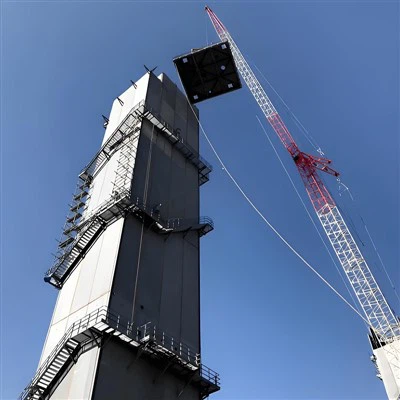
The distillation column is the heart of the cryogenic oxygen plant, where the separation of oxygen from other components of air takes place. It is a large and delicate piece of equipment that requires careful handling during installation. The column should be installed vertically and securely anchored to the foundation. Connect the piping for the feed air, product oxygen, and waste nitrogen streams.
Heat Exchanger Installation
Heat exchangers are used to transfer heat between different process streams, improving the energy efficiency of the plant. Install the heat exchangers in the appropriate locations and connect the piping for the hot and cold fluids. Ensure proper insulation to minimize heat loss.
Storage Tank Installation
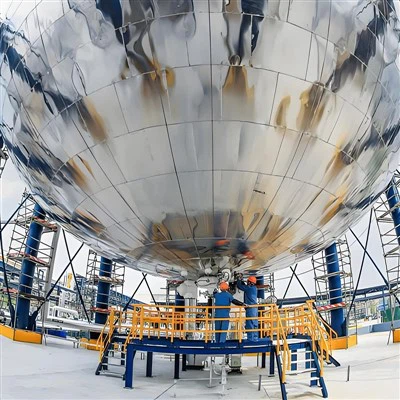
The storage tanks for liquid oxygen or gaseous oxygen are installed last. These tanks should be placed on a stable foundation and properly connected to the plant's product output. Install safety devices such as pressure relief valves and level indicators on the storage tanks.
5. Piping and Instrumentation Installation
Piping and instrumentation play a crucial role in the operation of the cryogenic oxygen plant.
Piping
The piping system is used to transport air, oxygen, nitrogen, and other fluids throughout the plant. It should be made of materials that are compatible with cryogenic temperatures and the substances being transported. Welding and fitting connections should be of high quality to prevent leaks. Proper support and insulation of the piping are also important to ensure its long - term integrity.
Instrumentation
Instrumentation is used to monitor and control the operation of the cryogenic oxygen plant. This includes sensors for temperature, pressure, flow rate, and level. Install the instrumentation at the appropriate locations and connect them to the control system. Calibrate the instruments to ensure accurate readings.
6. Electrical and Control System Installation
The electrical and control system is the brain of the cryogenic oxygen plant, allowing for precise operation and monitoring.
Electrical Wiring
The electrical wiring should be installed in accordance with electrical codes. Use high - quality cables and conduits to ensure a reliable electrical supply to all equipment. Proper grounding is essential to prevent electrical hazards.
Control System Installation
The control system is used to automate the operation of the cryogenic oxygen plant. Install the control panels, programmable logic controllers (PLCs), and human - machine interfaces (HMIs). Connect the control system to the instrumentation and equipment, and configure it according to the plant's operating parameters.
7. Testing and Commissioning
After the installation is complete, the cryogenic oxygen plant undergoes a series of tests and commissioning procedures.
Leak Testing
Leak testing is performed on all piping and equipment to ensure there are no oxygen leaks. This is typically done using helium mass spectrometry or other sensitive leak detection methods. Any leaks found should be repaired immediately.
Function Testing
Function testing involves running the plant's equipment individually and as a whole to verify its proper operation. Check the performance of the air compressor, purification unit, distillation column, and other components. Monitor the process parameters such as temperature, pressure, and flow rate, and make any necessary adjustments.
Performance Testing
Performance testing is conducted to ensure that the cryogenic oxygen plant meets the specified production capacity and product purity. This may involve running the plant continuously for a certain period and analyzing the oxygen output.
8. Training and Handover
Once the cryogenic oxygen plant passes all the tests and is fully operational, training is provided to the plant operators.
Operator Training
The training program should cover the operation, maintenance, and safety procedures of the cryogenic oxygen plant. Operators should be trained to use the control system, troubleshoot common problems, and perform routine maintenance tasks.
Handover
After the training is completed, the cryogenic oxygen plant is handed over to the customer. Provide the customer with all the necessary documentation, including operation manuals, maintenance schedules, and spare parts lists.
If you are interested in our Cryogenic Oxygen Generator, Cryogenic Liquid Oxygen Plant, or Cryogenic Liquid Oxygen Gas Plant, we invite you to contact us for further details and to discuss your specific requirements. Our team of experts is ready to assist you in the installation and operation of your cryogenic oxygen plant.
References
- Perry, R. H., & Green, D. W. (1997). Perry's Chemical Engineers' Handbook. McGraw - Hill.
- Kohl, A. L., & Nielsen, R. B. (1997). Gas Purification. Gulf Publishing Company.
- American Society of Mechanical Engineers (ASME). (2019). Boiler and Pressure Vessel Code.