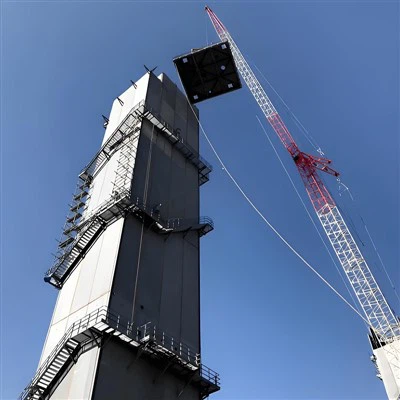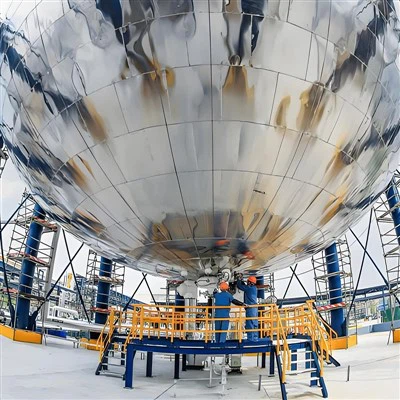
Hey there! As a supplier of Oxygen Liquid Plants, I often get asked about the safety distance requirements for these facilities. It's a crucial topic, considering the potential hazards associated with handling liquid oxygen. In this blog, I'll break down what you need to know about safety distances for an oxygen liquid plant.
First off, let's understand why safety distances are so important. Liquid oxygen is an extremely cold and reactive substance. It can cause severe frostbite on contact with skin and can support combustion vigorously. If there's a leak or a spill, it can create a dangerous situation, especially if there are ignition sources nearby. Safety distances help to minimize the risk of accidents and protect people and property in the vicinity of the plant.
Factors Affecting Safety Distances
Several factors come into play when determining the safety distance for an oxygen liquid plant. These include the size of the plant, the quantity of liquid oxygen stored, the type of storage containers, and the surrounding environment.
Plant Size and Capacity
Larger plants with higher production capacities generally require greater safety distances. This is because they have more liquid oxygen in storage and a higher potential for a large - scale release. For example, a small - scale Liquid Oxygen Manufacturing Plant that produces a few hundred liters of liquid oxygen per day may have different safety distance requirements compared to a large industrial plant that produces thousands of liters.
Quantity of Liquid Oxygen Stored
The more liquid oxygen you have in storage, the greater the risk. A large storage tank filled with liquid oxygen has a higher potential for a significant release in case of a failure. Regulatory bodies often set safety distance guidelines based on the maximum quantity of liquid oxygen that can be stored at the plant.
Type of Storage Containers
The design and construction of the storage containers also matter. Well - insulated and properly maintained containers reduce the risk of leaks and spills. However, if the containers are old or not in good condition, the safety distances may need to be increased. For instance, a double - walled, vacuum - insulated storage tank is generally safer than a single - walled tank.
Surrounding Environment
The nature of the area around the plant is a key factor. If the plant is located in an industrial area with other similar facilities, the safety distances might be different compared to a plant located near residential areas or public buildings. In a residential area, the safety distances need to be larger to protect the local population from potential hazards.


Regulatory Requirements
Safety distance requirements for oxygen liquid plants are usually regulated by national and local authorities. These regulations are in place to ensure the safety of the public and the environment. In many countries, the fire department or environmental protection agencies are responsible for setting and enforcing these rules.
For example, in the United States, the Occupational Safety and Health Administration (OSHA) and the National Fire Protection Association (NFPA) have specific guidelines regarding the storage and handling of liquid oxygen. The NFPA 55 standard provides detailed information on the safety distances for oxygen storage systems.
In Europe, the ATEX directive and various national regulations govern the safety requirements for oxygen plants. These regulations take into account the factors I mentioned earlier, such as plant size, storage quantity, and surrounding environment.
Typical Safety Distance Guidelines
While the exact safety distances can vary depending on the factors mentioned above, here are some general guidelines:
Distance from Ignition Sources
Liquid oxygen should be stored at a safe distance from ignition sources such as open flames, electrical equipment that can produce sparks, and hot surfaces. A common recommendation is to keep a minimum distance of at least 10 - 15 meters from any potential ignition source. This helps to prevent the liquid oxygen from coming into contact with a source of ignition and causing a fire or explosion.
Distance from Buildings and Structures
The distance from buildings and structures also depends on the size of the plant and the quantity of liquid oxygen stored. For a small - scale plant, a distance of 15 - 20 meters from non - essential buildings may be sufficient. However, for a large industrial plant, the distance could be 30 meters or more. This is to protect the buildings from the effects of a potential release, such as frost damage or explosion shockwaves.
Distance from Public Areas
When the plant is near public areas like roads, sidewalks, or parks, a larger safety distance is required. A distance of 50 - 100 meters or more may be necessary to ensure the safety of the public in case of an incident.
Importance of Adhering to Safety Distances
Adhering to the safety distance requirements is not just a legal obligation; it's also a matter of common sense. By maintaining the proper safety distances, you can significantly reduce the risk of accidents and protect the lives and property of those in the vicinity of the plant.
A failure to follow these guidelines can lead to serious consequences. A major release of liquid oxygen can cause fires, explosions, and environmental damage. It can also result in legal liabilities for the plant operator, including fines and potential lawsuits.
Our Offerings
At our company, we supply high - quality Liquid Oxygen (LOX) Plant and Air Separation Skid System that are designed with safety in mind. Our plants are built to meet or exceed the regulatory requirements for safety distances. We also provide comprehensive installation and maintenance services to ensure that your plant operates safely and efficiently.
If you're in the market for an oxygen liquid plant, we'd love to have a chat with you. Whether you're a small - scale user or a large industrial client, we can help you find the right solution for your needs. Contact us to start a discussion about your requirements and how we can assist you in setting up a safe and reliable oxygen liquid plant.
References
- National Fire Protection Association (NFPA) 55 Standard
- Occupational Safety and Health Administration (OSHA) Guidelines for Oxygen Storage and Handling
- ATEX Directive for Europe