Hey there! I'm a supplier for a Carbon Dioxide Factory, and today I wanna chat about how these factories can optimize their production layout. It's a crucial aspect that can make a huge difference in efficiency, cost - effectiveness, and overall output.
First off, let's understand the basics. A carbon dioxide factory has several key processes involved in production. We've got the generation part, where CO2 is produced from various sources. Then comes the separation process to purify the CO2, and finally, the storage and distribution stages. Each of these steps needs to be carefully considered when planning the layout.


When it comes to the Co2 Generation Plant, it's important to place it in an area with easy access to raw materials. For instance, if the factory uses natural gas or biogas as a feedstock for CO2 generation, the plant should be close to the gas supply pipelines or storage facilities. This reduces the transportation distance and potential losses during the transfer of raw materials. Also, it's vital to have enough space around the generation plant for maintenance and expansion in the future. You don't want to be cramped up and unable to add new equipment or make improvements when needed.
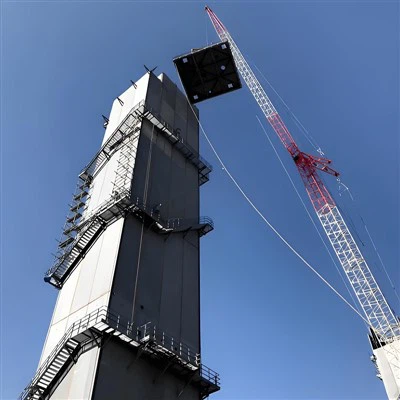
Next up is the separation unit. The Co2 Air Separation Unit is a critical component in getting high - purity CO2. It should be located in a well - ventilated area. Since separation processes often involve high - pressure and low - temperature operations, proper ventilation helps in dissipating heat and ensuring the safety of the workers. Moreover, it should be in close proximity to the generation plant. This way, the freshly generated CO2 can be quickly transferred to the separation unit, minimizing the time for any possible contamination or degradation.
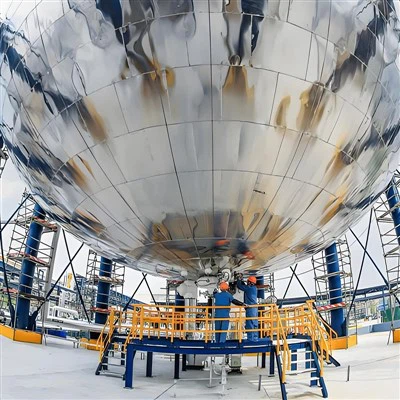
Once the CO2 is separated and purified, it needs to be stored. The storage tanks should be placed in a secure and easily accessible location. They should be far enough from the generation and separation units to prevent any potential damage in case of an accident in those areas. But at the same time, they need to be close to the loading docks for easy distribution. Having a logical flow from the storage tanks to the trucks or other transportation means is essential. For example, if the factory uses tanker trucks to deliver CO2 to customers, the storage tanks should be arranged in a way that allows the trucks to drive in, connect to the loading systems, and fill up efficiently.
Now, let's talk about the layout in terms of worker safety and convenience. The workstations should be arranged in a way that reduces the need for workers to walk long distances between different processes. This not only saves time but also reduces the risk of accidents due to fatigue. For example, the control rooms for the generation, separation, and storage systems should be located in a central area where operators can monitor all the processes easily. There should also be clear walkways and safety barriers to prevent workers from getting too close to dangerous equipment.
In addition to the physical layout of the equipment, we also need to consider the flow of information. In a modern carbon dioxide factory, there are a lot of sensors and monitoring systems. The data from these systems should be easily accessible to the relevant personnel. This means having a well - designed network infrastructure that can transmit data from the various parts of the factory to the control rooms and management offices. For example, if there's a problem with the pressure in the separation unit, the operators in the control room should be notified immediately so that they can take corrective action.
Another aspect of optimizing the production layout is energy management. The different processes in a carbon dioxide factory consume a significant amount of energy. By arranging the equipment in an energy - efficient way, we can reduce the overall energy consumption. For example, the heat generated during the generation process can be used in other parts of the factory, such as pre - heating the feedstock for the separation unit. This requires a careful analysis of the energy requirements and flows in the factory.
When it comes to waste management, the layout also plays a role. There should be designated areas for collecting and disposing of the waste products generated during the production process. These areas should be located away from the main production areas to prevent any cross - contamination. For example, if there are solid waste materials from the purification process, they should be collected in a separate area and then transported out of the factory for proper disposal.
Now, let's think about the future. A good production layout should be flexible enough to accommodate changes in production volume, new technologies, and market demands. For example, if the factory decides to expand its production capacity, it should be able to add new generation or separation units without major disruptions to the existing layout. This means leaving some open spaces and having a modular design for the equipment.
In conclusion, optimizing the production layout of a carbon dioxide factory is a complex but rewarding task. It involves considering multiple factors such as raw material access, worker safety, energy efficiency, and future expansion. By carefully planning and implementing a well - thought - out layout, a factory can improve its productivity, reduce costs, and ensure a high - quality product.
If you're running a Carbon Dioxide Manufacturing Plant or are thinking about setting one up, and you're interested in learning more about how to optimize your production layout, I'd love to have a chat with you. I've got a lot of experience in this field and can offer you some valuable insights and solutions. Let's talk about how we can make your factory more efficient and profitable.
References
- Industry reports on carbon dioxide production and factory layout design
- Case studies of successful carbon dioxide factories with optimized layouts