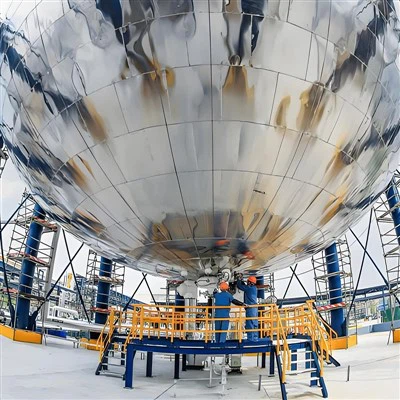
Liquid nitrogen plants play a pivotal role in various industries, from food processing to medical applications. As a reputable liquid nitrogen plant supplier, I've witnessed firsthand the significant impact these facilities have on local power grids. In this blog post, I'll delve into the intricacies of how a liquid nitrogen plant affects the local power grid, exploring both the challenges and opportunities it presents.
Understanding the Energy Requirements of Liquid Nitrogen Production
Before we dive into the impact on the power grid, it's essential to understand the energy-intensive nature of liquid nitrogen production. The process typically involves air separation, where atmospheric air is cooled to extremely low temperatures until it liquefies. This liquefied air is then distilled to separate nitrogen from other components such as oxygen and argon.
The refrigeration systems used in this process require a substantial amount of electricity to maintain the low temperatures necessary for liquefaction. Additionally, compressors are used to increase the pressure of the air and facilitate the separation process, further adding to the energy consumption. As a result, liquid nitrogen plants are often classified as high-energy consumers, with their power requirements varying depending on the plant's size and production capacity.
Impact on Power Grid Load
One of the most significant ways a liquid nitrogen plant affects the local power grid is by increasing the overall load. When a plant is operational, it draws a large amount of electricity from the grid, which can strain the grid's capacity, especially during peak demand periods. This increased load can lead to voltage fluctuations and power outages if the grid is not adequately prepared to handle it.
To mitigate these issues, power grid operators often work closely with liquid nitrogen plant operators to develop strategies for managing the load. This may involve implementing demand response programs, where the plant reduces its electricity consumption during peak demand periods in exchange for financial incentives. Additionally, grid operators may invest in infrastructure upgrades to increase the grid's capacity and improve its reliability.
Power Quality and Stability
In addition to increasing the load on the power grid, liquid nitrogen plants can also affect the power quality and stability. The large motors and compressors used in the plant can generate harmonics, which are unwanted electrical frequencies that can distort the voltage waveform and cause problems for other electrical equipment connected to the grid.
To address these issues, liquid nitrogen plants are typically equipped with power quality control devices such as harmonic filters and voltage regulators. These devices help to reduce the harmonics and maintain a stable voltage level, ensuring that the plant's electrical equipment operates efficiently and reliably.
Renewable Energy Integration
As the demand for clean energy continues to grow, many liquid nitrogen plant operators are exploring the use of renewable energy sources to power their facilities. Renewable energy sources such as solar and wind power can provide a sustainable and cost-effective alternative to traditional fossil fuels, reducing the plant's carbon footprint and dependence on the grid.
However, integrating renewable energy sources into a liquid nitrogen plant's power system can be challenging. Renewable energy sources are often intermittent, meaning that their output can vary depending on the weather and time of day. This can make it difficult to match the plant's energy demand with the available renewable energy supply.
To overcome these challenges, liquid nitrogen plant operators are increasingly turning to energy storage technologies such as batteries and flywheels. These technologies can store excess renewable energy during periods of low demand and release it during periods of high demand, ensuring a stable and reliable power supply.
Economic Considerations
The impact of a liquid nitrogen plant on the local power grid also has economic implications. The increased load on the grid can result in higher electricity costs for the plant operator, which can affect the plant's profitability. Additionally, the need for infrastructure upgrades and power quality control devices can require significant capital investments.


On the other hand, liquid nitrogen plants can also provide economic benefits to the local community. The plant's operation creates jobs and stimulates economic growth, and the plant's demand for electricity can provide a stable revenue stream for the local power grid.
Conclusion
In conclusion, a liquid nitrogen plant can have a significant impact on the local power grid. The plant's high energy consumption can increase the load on the grid, affect the power quality and stability, and pose challenges for renewable energy integration. However, by working closely with power grid operators and implementing appropriate strategies, these challenges can be effectively managed.
As a liquid nitrogen plant supplier, I understand the importance of ensuring that our plants operate efficiently and reliably while minimizing their impact on the environment and the power grid. We offer a range of Liquid Nitrogen Production Unit and Large Size Liquid Nitrogen Plant solutions that are designed to meet the specific needs of our customers. Our plants are equipped with the latest energy-efficient technologies and power quality control devices, ensuring that they operate smoothly and reliably while minimizing their energy consumption and environmental impact.
If you're interested in learning more about our Liquid Nitrogen Factory solutions or have any questions about how a liquid nitrogen plant can affect the local power grid, please don't hesitate to contact us. We'd be happy to discuss your specific requirements and provide you with a customized solution that meets your needs.
References
- "Power System Analysis and Design," by J. Duncan Glover, Mulukutla S. Sarma, and Thomas J. Overbye
- "Renewable Energy Integration in Power Systems," by Ramu Vemuri and Deepak Divan
- "Power Quality in Power Systems and Electrical Machines," by Alexander Emanuel