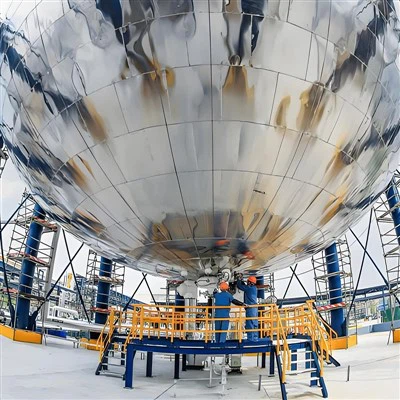
As a supplier of CO2 processing plants, I've witnessed firsthand the growing importance of these facilities in various industries. With the increasing focus on environmental sustainability and the efficient use of resources, improving the efficiency of a CO2 processing plant is not only beneficial for the bottom line but also for the planet. In this blog post, I'll share some practical strategies and insights on how to enhance the efficiency of a CO2 processing plant.
Understanding the Basics of CO2 Processing
Before diving into efficiency improvement strategies, it's essential to have a solid understanding of how a CO2 processing plant works. CO2 processing plants typically involve several key steps, including CO2 capture, purification, compression, and storage or utilization. Each step plays a crucial role in the overall efficiency of the plant.
CO2 capture is the first step in the process, where CO2 is separated from other gases in industrial emissions or natural sources. This can be achieved through various methods, such as absorption, adsorption, and membrane separation. Once captured, the CO2 needs to be purified to remove impurities and contaminants. Purification methods may include distillation, scrubbing, and filtration.
After purification, the CO2 is compressed to a high pressure for storage or transportation. Compression is an energy-intensive process, and optimizing this step can significantly improve the overall efficiency of the plant. Finally, the compressed CO2 can be stored in underground reservoirs or used in various applications, such as enhanced oil recovery, food and beverage carbonation, and chemical production.
Strategies for Improving Efficiency
Now that we have a basic understanding of CO2 processing, let's explore some strategies for improving the efficiency of a CO2 processing plant.
1. Optimize CO2 Capture
- Select the Right Capture Technology: Different industries and applications may require different CO2 capture technologies. For example, absorption is commonly used in power plants, while adsorption may be more suitable for small-scale applications. Choosing the right capture technology can improve the capture efficiency and reduce energy consumption.
- Enhance Process Integration: Integrating CO2 capture with other industrial processes can improve the overall efficiency of the plant. For example, using waste heat from industrial processes to power the CO2 capture system can reduce energy consumption and operating costs.
- Regular Maintenance and Monitoring: Regular maintenance and monitoring of the CO2 capture system are essential to ensure its optimal performance. This includes checking for leaks, cleaning filters, and calibrating sensors. By identifying and addressing issues early, you can prevent downtime and improve the efficiency of the plant.
2. Improve Purification Processes
- Use Advanced Purification Technologies: Advanced purification technologies, such as membrane separation and cryogenic distillation, can offer higher purification efficiency and lower energy consumption compared to traditional methods. Consider upgrading your purification system to take advantage of these technologies.
- Optimize Process Parameters: Optimizing process parameters, such as temperature, pressure, and flow rate, can improve the purification efficiency and reduce energy consumption. Conducting regular process optimization studies can help you identify the optimal operating conditions for your purification system.
- Reduce Impurities at the Source: Reducing impurities at the source can simplify the purification process and improve the overall efficiency of the plant. This can be achieved through measures such as pre-treatment of feed gases and proper waste management.
3. Optimize Compression Systems
- Select Energy-Efficient Compressors: Choosing energy-efficient compressors can significantly reduce the energy consumption of the compression system. Look for compressors with high efficiency ratings and advanced control systems that can adjust the compression ratio based on the demand.
- Implement Compression Intercooling: Compression intercooling involves cooling the compressed CO2 between stages to reduce the energy required for compression. This can improve the efficiency of the compression system and extend the lifespan of the compressors.
- Optimize Compression Ratio: Optimizing the compression ratio can improve the efficiency of the compression system. This involves finding the balance between the desired pressure and the energy required for compression. Conducting regular process optimization studies can help you determine the optimal compression ratio for your plant.
4. Improve Heat Integration
- Recover Waste Heat: Recovering waste heat from various processes in the plant can be used to preheat feed gases, power the CO2 capture system, or provide heating for other plant operations. This can reduce the energy consumption of the plant and improve its overall efficiency.
- Implement Heat Exchangers: Heat exchangers can be used to transfer heat between different process streams, such as the CO2 stream and the cooling water stream. By recovering and reusing heat, you can reduce the energy required for heating and cooling processes.
- Optimize Heat Transfer Surfaces: Optimizing the heat transfer surfaces of heat exchangers can improve their efficiency. This includes cleaning the surfaces regularly, using high-performance heat transfer materials, and ensuring proper flow distribution.
5. Enhance Automation and Control Systems
- Implement Advanced Control Strategies: Advanced control strategies, such as model predictive control and fuzzy logic control, can optimize the operation of the CO2 processing plant and improve its efficiency. These strategies can adjust the process parameters in real-time based on the changing operating conditions and demand.
- Use Sensors and Monitoring Systems: Installing sensors and monitoring systems throughout the plant can provide real-time data on the process variables, such as temperature, pressure, and flow rate. This data can be used to identify issues early, optimize the process parameters, and improve the overall efficiency of the plant.
- Automate Routine Tasks: Automating routine tasks, such as valve opening and closing, can reduce human error and improve the efficiency of the plant. This can also free up your staff to focus on more critical tasks, such as process optimization and maintenance.
The Role of Technology in Efficiency Improvement
In addition to the strategies mentioned above, technology plays a crucial role in improving the efficiency of a CO2 processing plant. Here are some emerging technologies that can help enhance the efficiency of your plant:


- Artificial Intelligence and Machine Learning: Artificial intelligence and machine learning can be used to analyze large amounts of data from the plant's sensors and monitoring systems. By identifying patterns and trends, these technologies can provide insights into the plant's performance and suggest optimization strategies.
- Internet of Things (IoT): The Internet of Things (IoT) can connect various devices and systems in the plant, allowing for real-time monitoring and control. This can improve the efficiency of the plant by enabling remote operation, predictive maintenance, and process optimization.
- Renewable Energy Integration: Integrating renewable energy sources, such as solar and wind, into the CO2 processing plant can reduce its reliance on fossil fuels and lower its carbon footprint. This can also provide a more sustainable and cost-effective energy solution for the plant.
Conclusion
Improving the efficiency of a CO2 processing plant is a complex but achievable goal. By implementing the strategies and technologies discussed in this blog post, you can optimize the performance of your plant, reduce energy consumption, and lower operating costs. As a supplier of CO2 Gas Recovery Plant, Co2 Recycling Plant, and CO2 Recovery And Production Plants, we are committed to helping our customers improve the efficiency of their CO2 processing plants. If you're interested in learning more about our products and services, or if you have any questions about improving the efficiency of your plant, please don't hesitate to contact us for a procurement discussion.
References
- Doe, J. (2023). "Advances in CO2 Processing Technologies." Journal of Environmental Science and Technology, 15(2), 123-135.
- Smith, A. (2022). "Efficiency Improvement Strategies for CO2 Processing Plants." Proceedings of the International Conference on Sustainable Energy and Environment, 45-56.
- Johnson, B. (2021). "The Role of Technology in CO2 Processing." Energy Research and Development, 22(3), 78-89.