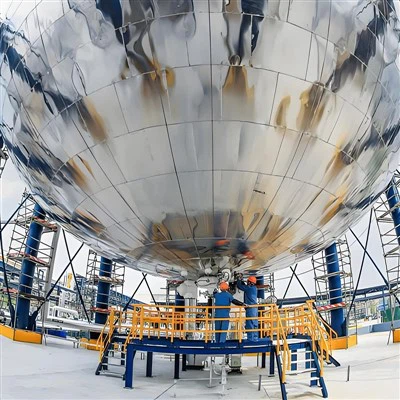
Humidity is a crucial environmental factor that can significantly impact the operation of a cryogenic oxygen plant. As a well - established cryogenic oxygen plant supplier, we've witnessed firsthand how humidity levels can cause ripples in the smooth functioning of these complex systems. In this blog, we'll delve into the various ways humidity affects a cryogenic oxygen plant and how operators can mitigate these effects.
Understanding Cryogenic Oxygen Plants
Before discussing the influence of humidity, it's important to understand the basic principles of a cryogenic oxygen plant. These plants operate on the principle of cryogenic distillation, which separates air into its components - primarily nitrogen, oxygen, and argon - by cooling the air to extremely low temperatures. Air is first compressed, then cooled and dried to remove water vapor and carbon dioxide. The dry, cooled air is then introduced into a distillation column, where the different components are separated based on their boiling points.
How Humidity Enters the Equation
Humidity refers to the amount of water vapor present in the air. When the ambient air is humid, it contains a relatively high concentration of water vapor. This moist air is the raw material that cryogenic oxygen plants start with. In normal operations, the pre - treatment process of the plant is designed to remove water vapor and other contaminants, but high humidity can strain these processes.
Impact on Pre - treatment Systems
The pre - treatment section of a cryogenic oxygen plant is where air is initially processed to remove large particulate matter, water vapor, and carbon dioxide. Dehumidification is a key part of this stage. Most pre - treatment systems use molecular sieves or refrigerated dryers to remove water vapor from the air.
Overloading of Dehumidification Units
High humidity means more water vapor needs to be removed from the air. If the humidity is extremely high, the dehumidification units may become overloaded. Molecular sieves, for example, have a limited capacity to adsorb water vapor. When they are constantly exposed to air with high humidity, they reach their saturation point more quickly. This can lead to reduced efficiency and may even cause water to pass through to the subsequent stages of the plant.
Increased Energy Consumption
To cope with high humidity, dehumidification units need to work harder. Refrigerated dryers, for instance, will need to cool the air to lower temperatures to condense more water vapor. This increased operation requires more energy, which in turn raises the plant's operating costs. Molecular sieve systems may require more frequent regeneration cycles, also adding to the energy demand.
Effects on the Cold Section of the Plant
If water vapor manages to bypass the pre - treatment stage and enter the cold section of the cryogenic oxygen plant, it can cause serious problems.
Frost and Ice Formation
In the cold part of the plant, where temperatures can reach extremely low values, water vapor will freeze into ice or frost. This can occur in heat exchangers, distillation columns, and other components. Frost and ice formation can severely impede the flow of gases through the system. It can block passages, reducing the cross - sectional area available for gas flow and increasing the pressure drop across the equipment. This pressure drop can cause the plant to operate inefficiently, leading to decreased oxygen production rates.
Damage to Equipment
The expansion of water as it freezes can also cause physical damage to the plant's components. Pipes and vessels may crack or deform due to the internal pressure exerted by the freezing water. This not only disrupts the normal operation of the plant but also necessitates costly repairs and downtime for maintenance.
Impact on Product Quality
High humidity can also have a negative impact on the quality of the oxygen produced by the cryogenic plant.
Contamination
If water vapor makes its way into the final oxygen product, it acts as a contaminant. In many industrial applications, such as Oxygen Plants For Metal Production, the presence of water vapor in oxygen can have adverse effects on the production process. For example, in metal production, water - contaminated oxygen can cause oxidation issues, affecting the quality of the final metal products.
Purity Levels
The presence of water vapor can also lower the overall purity of the oxygen product. Cryogenic oxygen plants are designed to produce high - purity oxygen, often with purity levels of 99% or more. The intrusion of water vapor can reduce these purity levels, making the oxygen less suitable for applications that require a high degree of purity, like in the medical field or in some Cryogenic Industrial Gas Plant processes.
Mitigation Strategies
Despite the challenges posed by humidity, there are several strategies that operators of cryogenic oxygen plants can adopt to mitigate its effects.
Optimized Pre - treatment
Upgrading the pre - treatment system is a crucial step. This can involve installing larger or more efficient dehumidification units, such as advanced molecular sieves with higher adsorption capacities. Regular maintenance and monitoring of these units are also essential to ensure they are operating at peak efficiency.
Humidity Monitoring
Continuous monitoring of the ambient humidity levels can help plant operators anticipate potential problems. By having real - time data on humidity, operators can adjust the pre - treatment process accordingly. For example, if the humidity is rising, they can increase the regeneration frequency of molecular sieves or adjust the settings of refrigerated dryers.
Redundancy and Backup Systems
Installing redundant dehumidification systems can provide an extra layer of protection against high humidity. In case one dehumidification unit fails or becomes overloaded, the backup system can take over, ensuring the continuous and efficient operation of the plant.
Conclusion
Humidity can have far - reaching effects on the operation of a cryogenic oxygen plant, from affecting the pre - treatment processes to causing damage to equipment and reducing product quality. As a reputable Industrial Oxygen Plant supplier, we understand the importance of these factors for our customers.
By being aware of the challenges posed by humidity and implementing appropriate mitigation strategies, plant operators can ensure the reliable and efficient operation of their cryogenic oxygen plants. If you're in the market for a cryogenic oxygen plant or need advice on dealing with humidity - related issues, feel free to reach out to us. We're here to help you optimize your plant's performance and meet your production requirements.


References
- Smith, J. (2018). Cryogenic Air Separation Technology: Principles and Applications. Elsevier.
- Jones, A. (2020). Environmental Factors Affecting Industrial Gas Plants. Journal of Industrial Engineering, 15(2), 45 - 58.