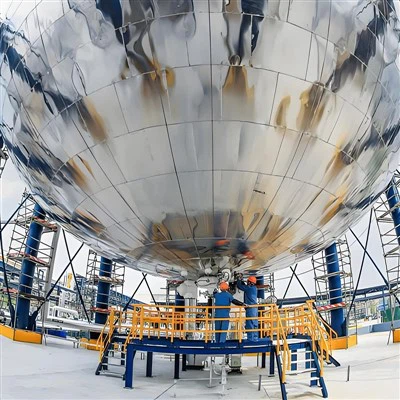
As a trusted supplier of oxygen liquid plants, I've witnessed firsthand the critical role these facilities play in various industries, from healthcare to manufacturing. Understanding how the control system of an oxygen liquid plant works is essential for ensuring efficient, safe, and reliable operation. In this blog post, I'll delve into the intricacies of these control systems, shedding light on their components, functions, and the benefits they offer.
The Basics of an Oxygen Liquid Plant
Before we dive into the control system, let's briefly review the fundamental processes involved in an oxygen liquid plant. These plants typically use cryogenic distillation to separate oxygen from air. The process begins with the intake of ambient air, which is then filtered to remove dust, moisture, and other impurities. The clean air is compressed and cooled to extremely low temperatures, causing it to liquefy. Through a series of distillation columns, the liquid air is separated into its components, with oxygen being the primary product. The liquid oxygen is then stored and can be further processed or transported as needed.
Components of the Control System
The control system of an oxygen liquid plant is a complex network of sensors, controllers, and actuators that work together to monitor and regulate the various processes within the plant. Here are the key components:
Sensors
Sensors are the eyes and ears of the control system, providing real-time data on various parameters such as temperature, pressure, flow rate, and composition. For example, temperature sensors are used to monitor the temperature of the air at different stages of the cooling process, ensuring that it reaches the optimal temperature for liquefaction. Pressure sensors are crucial for maintaining the correct pressure levels in the distillation columns, which is essential for efficient separation. Flow sensors measure the rate of air and liquid oxygen flow, allowing the control system to adjust the process accordingly.
Controllers
Controllers are the brains of the control system, receiving data from the sensors and making decisions based on pre-programmed algorithms. They compare the actual values of the monitored parameters with the desired setpoints and calculate the necessary adjustments to maintain optimal operation. For instance, if the temperature in a distillation column is too high, the controller will send a signal to adjust the cooling system to bring the temperature back to the setpoint.
Actuators
Actuators are the muscles of the control system, carrying out the commands issued by the controllers. They can be valves, pumps, or motors that adjust the flow of fluids, the speed of equipment, or the position of mechanical components. For example, a control valve can be used to regulate the flow of liquid oxygen from the storage tank, while a pump can be adjusted to increase or decrease the pressure in the system.
Functions of the Control System
The control system of an oxygen liquid plant performs several critical functions to ensure the safe and efficient operation of the facility:
Process Monitoring
Continuous monitoring of all key parameters is essential for detecting any deviations from the normal operating conditions. The control system constantly collects data from the sensors and displays it on a control panel or a computer screen. Operators can use this information to identify potential issues early and take corrective actions before they escalate into major problems.


Setpoint Control
The control system maintains the desired setpoints for various parameters, such as temperature, pressure, and flow rate. By adjusting the actuators based on the feedback from the sensors, it ensures that the process operates within the specified range. This helps to optimize the efficiency of the plant and produce high-quality liquid oxygen.
Safety Protection
Safety is of utmost importance in an oxygen liquid plant, and the control system plays a crucial role in ensuring it. It is equipped with safety interlocks and alarms that are triggered when certain parameters exceed their safe limits. For example, if the pressure in a distillation column exceeds the maximum allowable value, the control system will automatically shut down the relevant equipment and activate an alarm to alert the operators.
Process Optimization
The control system can also be used to optimize the performance of the plant by adjusting the operating parameters based on the changing conditions. For instance, it can adjust the flow rate of air and the cooling capacity of the system to adapt to variations in the ambient temperature and humidity. This helps to improve the energy efficiency of the plant and reduce operating costs.
Benefits of a Well-Designed Control System
Investing in a high-quality control system for an oxygen liquid plant offers several benefits:
Improved Efficiency
A well-designed control system can optimize the operation of the plant, reducing energy consumption and increasing the production rate. By maintaining the optimal operating conditions, it ensures that the plant operates at its maximum efficiency, resulting in cost savings and higher profitability.
Enhanced Safety
The safety features of the control system help to prevent accidents and protect the personnel and equipment in the plant. By continuously monitoring the critical parameters and taking immediate action in case of an emergency, it minimizes the risk of explosions, fires, and other hazardous situations.
Quality Assurance
The control system ensures that the liquid oxygen produced meets the required quality standards. By maintaining the correct temperature, pressure, and composition, it helps to produce pure and consistent oxygen, which is essential for many applications, such as medical use and industrial processes.
Remote Monitoring and Control
Many modern control systems allow for remote monitoring and control of the plant. This means that operators can access the system from anywhere using a computer or a mobile device, enabling them to monitor the plant's performance, adjust the settings, and receive alerts in real-time. This feature is particularly useful for plants located in remote areas or for companies with multiple facilities.
Conclusion
The control system of an oxygen liquid plant is a sophisticated and essential component that plays a crucial role in ensuring the safe, efficient, and reliable operation of the facility. By understanding how it works and the benefits it offers, you can make informed decisions when choosing a LOX Plant or a Liquid Oxygen Gas Plant for your business. If you're considering building a new Liquid Oxygen Plant Build, our team of experts can provide you with the latest technology and solutions to meet your specific needs.
We invite you to contact us to discuss your requirements and explore how our oxygen liquid plants can benefit your operations. Our experienced sales team is ready to assist you with the procurement process and answer any questions you may have.
References
- Perry, R. H., & Green, D. W. (Eds.). (1997). Perry's Chemical Engineers' Handbook. McGraw-Hill.
- Sinnott, R. K., & Towler, G. P. (2019). Chemical Engineering Design: Principles, Practice and Economics of Plant and Process Design. Elsevier.
- Schweitzer, P. A. (Ed.). (2004). Handbook of Separation Techniques for Chemical Engineers. McGraw-Hill.