How is the liquefied CO2 stored after production in a CO2 liquefaction plant?
As a leading supplier of CO2 liquefaction plants, I am often asked about the crucial process of storing liquefied CO2 after its production. In this blog post, I will delve into the various aspects of this storage process, exploring the methods, considerations, and importance of proper storage in a CO2 liquefaction plant.
The Production of Liquefied CO2
Before we discuss storage, it's essential to understand how liquefied CO2 is produced. Our Liquid Co2 Production Plant and CO 2 Purification and Liquefaction Plants are designed to efficiently transform raw CO2 into a liquefied state. The process typically involves several stages, including purification to remove impurities such as water, hydrocarbons, and other contaminants. Once purified, the CO2 is cooled and compressed to a point where it changes from a gas to a liquid. This liquefaction process is energy - intensive but is necessary for effective storage and transportation.
Storage Methods
There are primarily two main methods for storing liquefied CO2: cryogenic storage and pressure storage.
Cryogenic Storage
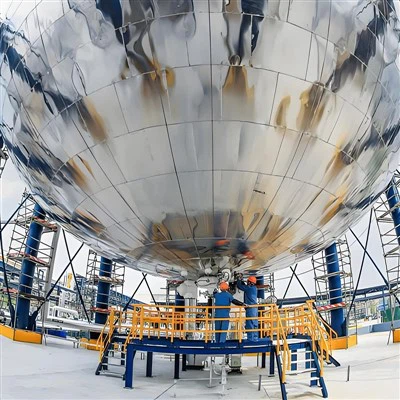
Cryogenic storage is one of the most common methods used in CO2 liquefaction plants. In this method, liquefied CO2 is stored at extremely low temperatures, typically around -78.5°C at atmospheric pressure. At these temperatures, CO2 remains in a liquid state. Cryogenic storage tanks are specially designed to maintain these low temperatures. They are usually double - walled, with an insulating layer between the walls to minimize heat transfer from the surrounding environment.
The inner tank is made of a material that can withstand the low temperatures and the corrosive nature of CO2, such as stainless steel. The outer tank provides additional protection and support. These tanks are also equipped with safety features, including pressure relief valves to prevent over - pressurization in case of any unexpected heat ingress.
The advantage of cryogenic storage is that it allows for large - scale storage at relatively low pressures. However, it requires continuous refrigeration to maintain the low temperatures, which consumes energy. Additionally, any significant heat leak can cause the CO2 to vaporize, leading to pressure build - up and potential safety risks if not properly managed.
Pressure Storage
Pressure storage involves storing liquefied CO2 at higher pressures and relatively warmer temperatures compared to cryogenic storage. In this method, CO2 is stored in pressure vessels that can withstand the internal pressure exerted by the liquid CO2. The pressure can range from a few bar to tens of bar, depending on the specific design and requirements of the storage system.
Pressure storage tanks are made of high - strength materials, such as carbon steel or alloy steel, to handle the high pressures. They are also designed with safety mechanisms, such as rupture disks and pressure gauges, to monitor and control the pressure inside the tank. Pressure storage has the advantage of being more compact than cryogenic storage for a given volume of CO2. It also requires less energy for temperature maintenance since the storage temperature is higher. However, the high - pressure nature of this storage method poses its own safety challenges, and proper maintenance and inspection are crucial to prevent leaks or failures.
Considerations for Storage
When choosing a storage method for liquefied CO2 in a CO2 liquefaction plant, several factors need to be considered.
Safety
Safety is of utmost importance in CO2 storage. CO2 is a colorless and odorless gas that can displace oxygen in an enclosed space, leading to asphyxiation. In addition, the high - pressure or low - temperature nature of the storage systems can pose risks such as explosions, leaks, or frostbite. Therefore, all storage facilities must comply with strict safety regulations and standards. This includes proper ventilation, installation of safety devices, and regular maintenance and inspection of storage tanks and associated equipment.


Cost
The cost of storage is another significant consideration. Cryogenic storage requires a significant investment in refrigeration equipment and insulation materials, as well as ongoing energy costs for temperature maintenance. Pressure storage, on the other hand, may require more expensive high - strength materials for the pressure vessels but may have lower energy costs. The overall cost also depends on the scale of storage, with larger storage facilities generally having lower unit costs.
Capacity and Flexibility
The storage capacity required depends on the production rate of the CO2 liquefaction plant and the demand for CO2. A plant with a high production rate will need a larger storage capacity to store the excess CO2 during periods of low demand. Flexibility is also important, as the storage system should be able to adapt to changes in production and demand. For example, it should be possible to increase or decrease the storage capacity over time without significant disruption to the plant operations.
Importance of Proper Storage
Proper storage of liquefied CO2 is crucial for several reasons. Firstly, it ensures the continuous supply of CO2 to meet market demand. Whether the CO2 is used for food and beverage carbonation, enhanced oil recovery, or other industrial applications, having a reliable storage system is essential to maintain a stable supply chain.
Secondly, proper storage helps to maintain the quality of the liquefied CO2. If the storage conditions are not properly maintained, the CO2 can absorb moisture or other contaminants, which can affect its purity and performance in end - use applications.
Finally, safe and efficient storage is essential for environmental and regulatory compliance. Any CO2 leaks from the storage system can contribute to greenhouse gas emissions and violate environmental regulations. Therefore, a well - designed and maintained storage system is necessary to prevent such leaks and ensure compliance with environmental standards.
Our Role as a Supplier
As a supplier of Carbon Dioxide Liquefaction Plant, we provide comprehensive solutions for CO2 storage. We offer customized storage systems, whether it's cryogenic or pressure storage, based on the specific needs of our clients. Our engineering team works closely with clients to design storage systems that are safe, efficient, and cost - effective.
We also provide after - sales support, including maintenance services and training for the plant operators. Our goal is to ensure that our clients can store their liquefied CO2 with confidence, knowing that their storage systems are reliable and compliant with all relevant safety and environmental regulations.
Contact for Procurement
If you are interested in learning more about our CO2 liquefaction plants and the associated storage solutions, we encourage you to contact us. Our team of experts is ready to discuss your specific requirements and provide you with detailed information and quotes. Whether you are a small - scale producer or a large industrial user, we have the expertise and resources to meet your needs.
References
- "Carbon Dioxide Capture and Storage" by IPCC (Intergovernmental Panel on Climate Change)
- Industry standards and guidelines for CO2 storage, such as those provided by ASME (American Society of Mechanical Engineers) and API (American Petroleum Institute)