Hey there! I'm a supplier for a CO2 factory, and today I wanna chat about the impact of trade policies on our CO2 factory. It's a topic that's been on my mind a lot lately, especially with all the changes in the global trade scene.
First off, let's talk about tariffs. Tariffs are like taxes on imported or exported goods. When trade policies introduce new tariffs on CO2-related products, it can really mess with our business. For example, if there's a tariff on the raw materials we use to produce CO2, it means our production costs go up. And when our costs go up, we either have to pass those costs on to our customers, which might make our products less competitive in the market, or we have to cut corners somewhere else, which isn't exactly ideal.
On the flip side, tariffs can also work in our favor. If there are tariffs on imported CO2 products from other countries, it can make our domestic products more attractive to buyers. They might be more willing to pay a bit extra for our locally-produced CO2 rather than dealing with the higher prices that come with imported goods due to the tariffs. But this also depends on how well we can market our products and convince customers that our quality is worth the price.


Another aspect of trade policies is quotas. Quotas limit the amount of a certain product that can be imported or exported. For our CO2 factory, if there are export quotas, it means we can only sell a certain amount of our CO2 products overseas. This can be a real bummer, especially if we have the capacity to produce more and there's a high demand in international markets. It restricts our growth potential and can lead to excess inventory if we can't find enough domestic buyers.
On the other hand, import quotas can protect our domestic market. If there are limits on the amount of foreign CO2 products that can enter our country, it gives our factory a better chance to compete. We don't have to worry as much about being flooded by cheap imports that could undercut our prices. But again, this also means that customers might have fewer options, and it could potentially lead to higher prices in the long run if there's not enough competition.
Trade agreements also play a huge role. When countries sign trade agreements, they often reduce or eliminate tariffs and quotas between each other. This can open up new markets for our CO2 factory. For example, if our country signs a trade agreement with another country that has a high demand for CO2 products, we can start exporting more easily. We can take advantage of the lower trade barriers and expand our customer base. It's like a whole new world of opportunities!
But trade agreements aren't always a walk in the park. Sometimes, they come with certain rules and regulations that we have to follow. These could be related to environmental standards, product quality, or labor practices. While these rules are often in place for good reasons, they can also add extra costs and administrative burdens to our business. We might have to invest in new equipment or processes to meet these requirements, which can be a challenge, especially for smaller factories.
Now, let's talk about how these trade policies affect our relationships with our suppliers and customers. With tariffs and quotas, it can disrupt the supply chain. Our suppliers might have trouble getting the raw materials we need if there are import restrictions. This can lead to delays in production and shortages of our CO2 products. And our customers might be hesitant to place large orders if they're unsure about the availability and price stability of our products due to the trade policy uncertainties.
But there are also opportunities to strengthen these relationships. We can work closely with our suppliers to find alternative sources of raw materials or to negotiate better prices. And we can communicate more effectively with our customers, keeping them informed about any changes in our products or prices due to trade policies. By being transparent and proactive, we can build trust and loyalty, which is crucial in this ever-changing business environment.
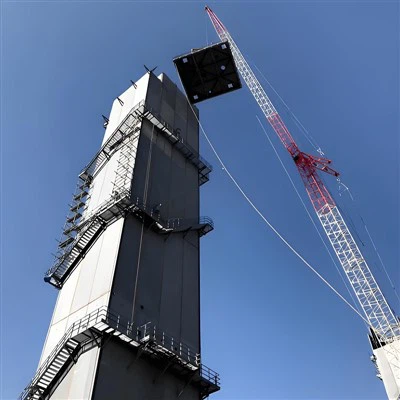
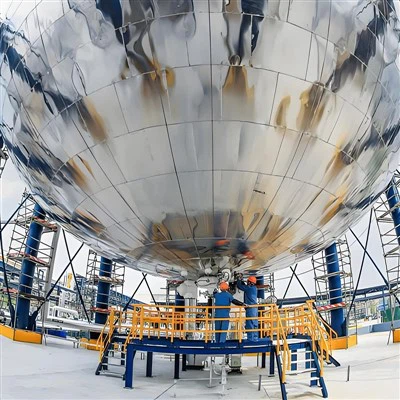
In the context of our CO2 factory, we also need to consider the environmental impact of trade policies. Some trade policies are designed to encourage more sustainable practices. For example, there might be incentives for factories to reduce their carbon emissions or use more renewable energy sources. As a CO2 factory, we have a unique role to play in this. We can invest in technologies like CO2 Recovery And Production Plants and CO2 Recovery Unit to capture and reuse CO2, which not only helps the environment but can also make us more competitive in the market.
Moreover, trade policies can influence the demand for our CO2 products. If there's a growing trend towards sustainable products and practices in the international market, and trade policies support this, we might see an increase in demand for our CO2 that is produced in an environmentally-friendly way. This can be a great opportunity for us to differentiate ourselves from our competitors and expand our market share.
To sum it up, trade policies have a significant impact on our CO2 factory. They can bring both challenges and opportunities. We need to stay informed about the latest trade policy changes, be flexible and adaptable, and look for ways to turn these challenges into advantages. Whether it's through exploring new markets, improving our production processes, or strengthening our relationships with suppliers and customers, there are always ways to thrive in this dynamic trade environment.
If you're interested in learning more about our CO2 products or have any questions about how trade policies might affect your business, feel free to reach out. We're always happy to have a chat and see how we can work together. And if you're in the market for a reliable CO2 supplier, check out our Co2 Manufacturing Plant for high-quality and sustainable CO2 solutions.
References
- International Trade Administration reports on trade policies and their impact on industries.
- Industry research papers on the CO2 production and trade sector.
- News articles and analyses on global trade policy changes.