Lightning protection is a critical aspect of the design and operation of any industrial facility, and a CO2 processing plant is no exception. As a leading supplier of Co2 Processing Plant, we understand the unique challenges and requirements associated with protecting these complex plants from the destructive forces of lightning. In this blog post, we will explore the key considerations for lightning protection design in a CO2 processing plant.
Understanding the Risks
Lightning strikes can pose a significant threat to a CO2 processing plant. The high - energy electrical discharge can cause direct physical damage to equipment, structures, and electrical systems. For example, a direct strike on a storage tank could lead to structural failure, potentially resulting in the release of CO2. Indirect effects are also a concern. The electromagnetic fields generated by a lightning strike can induce surges in electrical and electronic circuits, causing malfunctions in control systems, sensors, and communication equipment. This can disrupt the normal operation of the plant, leading to production losses and safety hazards.
Site Assessment
The first step in lightning protection design is a comprehensive site assessment. This involves evaluating the geographical location of the plant. Areas with high lightning activity, such as tropical regions or areas near large bodies of water, are at a greater risk. The topography of the site also matters. A plant located on a hilltop or in an open area is more likely to be struck by lightning compared to one in a valley or surrounded by taller structures.
We need to consider the existing infrastructure on the site. Are there any nearby tall structures, such as power lines or communication towers, that could attract lightning? If so, their impact on the CO2 processing plant must be analyzed. The soil resistivity of the site is another crucial factor. Low - resistivity soil provides a better path for the lightning current to dissipate into the ground, reducing the risk of damage to the plant.
Lightning Protection Systems
External Lightning Protection Systems
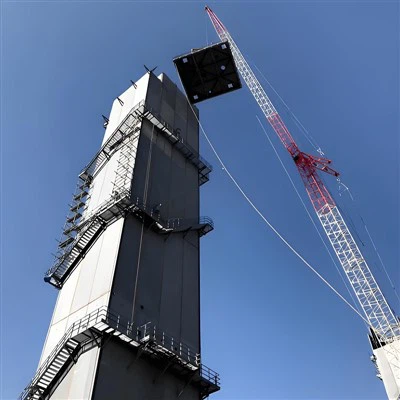
External lightning protection systems are designed to intercept lightning strikes and safely conduct the electrical current to the ground. One of the most common components is the air terminal, also known as a lightning rod. These are installed at the highest points of the plant's structures, such as storage tanks, buildings, and process towers. Air terminals act as preferential strike points, attracting lightning and preventing it from striking other critical parts of the plant.
Down conductors are used to connect the air terminals to the grounding system. They must be made of materials with high electrical conductivity, such as copper or aluminum. The size and number of down conductors depend on the size and complexity of the plant. A proper layout of down conductors ensures that the lightning current is evenly distributed and safely carried to the ground.
The grounding system is the final component of the external lightning protection system. It consists of grounding electrodes, such as ground rods or grounding grids, buried in the soil. The grounding system provides a low - resistance path for the lightning current to dissipate into the ground. The resistance of the grounding system should be kept as low as possible to ensure effective lightning protection.
Internal Lightning Protection Systems
Internal lightning protection systems are focused on protecting the plant's electrical and electronic equipment from the indirect effects of lightning. Surge protection devices (SPDs) are a key component of these systems. SPDs are installed at the entry points of electrical circuits, such as at the main electrical panel and at the connection points of sensitive equipment.
When a lightning - induced surge occurs, SPDs divert the excess current to the ground, protecting the equipment from damage. They are available in different types, including Type 1, Type 2, and Type 3 SPDs, each designed to handle different levels of surge currents.
Another important aspect of internal lightning protection is the bonding of electrical and metallic components. All metallic structures, such as pipes, tanks, and electrical enclosures, should be electrically bonded together. This helps to equalize the potential between different components during a lightning strike, reducing the risk of arcing and damage to equipment.
Equipment and Process Considerations
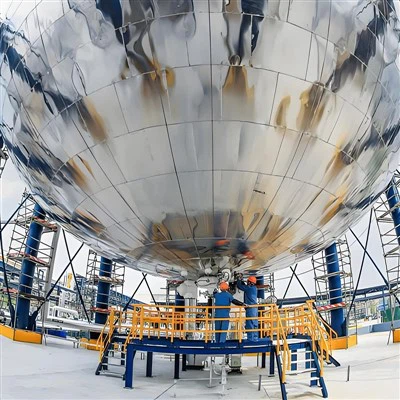
In a CO2 processing plant, there are specific equipment and process - related considerations for lightning protection. For example, the CO2 storage tanks are a critical part of the plant. These tanks should be equipped with proper lightning protection measures. The tank roofs should have air terminals installed at regular intervals to ensure that lightning strikes are intercepted safely.
The CO2 recovery and production processes involve complex electrical and control systems. These systems are particularly vulnerable to lightning - induced surges. The control panels, sensors, and communication devices used in the Co2 Production Plant and CO2 Recovery Unit should be protected by high - quality SPDs.
The electrical wiring in the plant should be installed in a way that minimizes the risk of lightning - induced surges. Wiring should be routed away from external walls and metal structures as much as possible. Shielded cables can also be used to reduce the electromagnetic interference caused by lightning.
Maintenance and Testing
Lightning protection systems require regular maintenance and testing to ensure their effectiveness. The air terminals, down conductors, and grounding systems should be inspected periodically for signs of damage, corrosion, or loose connections. Any damaged components should be replaced immediately.
The grounding resistance should be measured regularly to ensure that it remains within the acceptable range. If the grounding resistance increases, it may indicate a problem with the grounding system, such as a broken ground rod or poor soil - electrode contact.
Surge protection devices should also be tested regularly to ensure that they are functioning properly. Faulty SPDs should be replaced to maintain the integrity of the internal lightning protection system.
Safety and Regulatory Compliance
Lightning protection in a CO2 processing plant is not only about protecting equipment and ensuring uninterrupted production. It is also a matter of safety. A lightning - related incident in a CO2 processing plant can have serious consequences, including explosions, fires, and the release of harmful gases.


In addition, there are various national and international standards and regulations related to lightning protection in industrial facilities. These standards specify the minimum requirements for lightning protection systems, including the design, installation, and maintenance. Compliance with these standards is essential to ensure the safety and reliability of the CO2 processing plant.
Conclusion
Lightning protection design in a CO2 processing plant is a complex and multi - faceted task. It requires a thorough understanding of the risks, a comprehensive site assessment, and the implementation of both external and internal lightning protection systems. Regular maintenance and testing are also crucial to ensure the long - term effectiveness of these systems.
As a supplier of CO2 processing plants, we have the expertise and experience to design and implement state - of - the - art lightning protection solutions. If you are planning to build a new CO2 processing plant or looking to upgrade the lightning protection system of an existing one, we are here to help. Contact us for a detailed consultation and let's work together to ensure the safety and reliability of your plant.
References
- IEC 62305 - Lightning protection - International Electrotechnical Commission.
- NFPA 780 - Standard for the Installation of Lightning Protection Systems - National Fire Protection Association.
- UL 96A - Standard for Lightning Protection Components - Underwriters Laboratories.