Hey there! As a supplier of Oxygen Liquid Plants, I often get asked about the cost of building one. It's a question that doesn't have a one - size - fits - all answer, as there are so many factors at play. So, let's dig deep into what goes into the cost of building an oxygen liquid plant.
1. Equipment Costs
First off, the equipment is a major chunk of the overall cost. You can't have an oxygen liquid plant without the right gear.
Air Compressors
The air compressor is like the heart of the plant. It takes in air from the surroundings and compresses it to the required pressure. High - quality compressors can be pretty expensive. Depending on the capacity of the plant you're building, you could be looking at spending anywhere from tens of thousands to hundreds of thousands of dollars. A small - scale plant might get by with a relatively less expensive compressor, but for larger operations, you'll need a heavy - duty one that can handle high volumes of air.
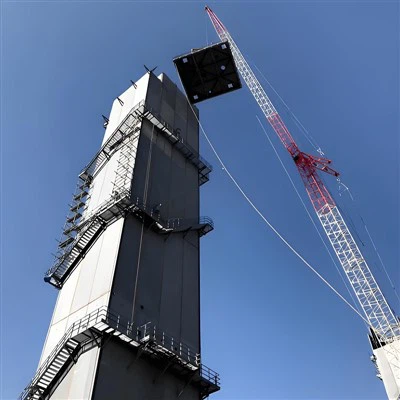
Distillation Columns
Distillation columns are crucial for separating oxygen from other components in the air. They work on the principle of fractional distillation, taking advantage of the different boiling points of oxygen, nitrogen, and other gases. These columns are complex pieces of equipment and can cost a significant amount. The design and size of the distillation column depend on the plant's production capacity. A large - scale oxygen liquid plant will require a bigger and more sophisticated distillation column, which will drive up the cost.
Heat Exchangers
Heat exchangers are used to transfer heat between different fluids in the plant. They play a vital role in the energy - efficient operation of the oxygen liquid plant. There are different types of heat exchangers, and their cost varies based on their size, material, and efficiency. High - efficiency heat exchangers may cost more upfront but can save you money in the long run by reducing energy consumption.
Storage Tanks
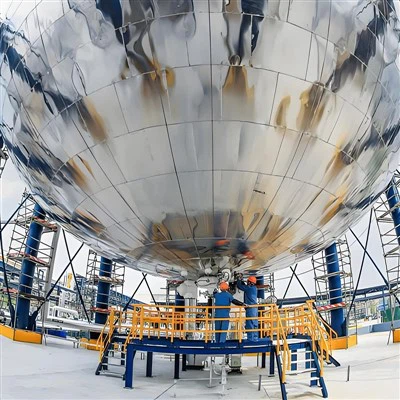
Once the oxygen is liquefied, you need somewhere to store it. Storage tanks come in various sizes and materials. Stainless steel tanks are a popular choice due to their durability and resistance to corrosion. The cost of storage tanks depends on their capacity. Larger tanks can cost a fortune, especially if they need to meet strict safety and regulatory requirements.
If you're interested in a specific type of equipment for your plant, you might want to check out our Copper Mine Oxygen - enriched Air Separation Unit. It's designed to meet the unique needs of copper mines and can be a great addition to your setup.
2. Installation and Labor Costs
Getting all the equipment up and running isn't as simple as just buying it. You'll need to hire professionals to install the equipment properly.
Installation Fees
Installation fees can vary widely depending on the complexity of the plant. A small, modular oxygen liquid plant might be relatively easy to install, but a large, custom - built plant will require a team of experienced technicians. These technicians need to ensure that all the equipment is connected correctly, calibrated accurately, and meets all safety standards. Installation fees can add up quickly, especially if there are any unforeseen challenges during the process.
Labor Costs
In addition to installation, you'll also need to consider the ongoing labor costs. Running an oxygen liquid plant requires trained operators who can monitor the equipment, make adjustments as needed, and ensure the plant is operating safely and efficiently. The number of operators you'll need depends on the size and complexity of the plant. Larger plants may require a full - time team of operators, which can be a significant ongoing expense.
3. Land and Infrastructure Costs
You can't just set up an oxygen liquid plant anywhere. You need the right location and infrastructure.
Land Acquisition
Finding a suitable piece of land for your plant is crucial. You'll need to consider factors like proximity to power sources, water supplies, and transportation routes. Land prices vary greatly depending on the location. In some areas, land may be relatively inexpensive, while in others, you could be paying a small fortune just to secure a plot. You'll also need to make sure the land is zoned for industrial use and meets all local regulations.
Infrastructure Development
Once you have the land, you'll need to develop the necessary infrastructure. This includes things like building a foundation for the equipment, installing utilities such as water and electricity, and creating access roads. Infrastructure development can be a costly endeavor, especially if the land requires a lot of preparation work. For example, if the land is uneven or has poor soil conditions, you may need to invest in additional foundation work to ensure the stability of the plant.
4. Regulatory and Permitting Costs
Building an oxygen liquid plant is subject to a lot of regulations and permitting requirements.
Permits
You'll need to obtain various permits from local, state, and federal authorities. These permits can include environmental permits, construction permits, and operating permits. The cost of obtaining these permits can vary depending on the location and the specific requirements of the project. Some permits may require you to conduct environmental impact studies or submit detailed engineering plans, which can add to the overall cost.
Regulatory Compliance
Once the plant is up and running, you'll need to ensure that it complies with all relevant regulations. This may involve regular inspections, maintenance, and reporting. Non - compliance can result in hefty fines, so it's important to budget for the cost of regulatory compliance.
5. Energy Costs
Running an oxygen liquid plant consumes a significant amount of energy.
Electricity
Most of the equipment in an oxygen liquid plant, such as compressors and heat exchangers, runs on electricity. The energy consumption of the plant depends on its size and production capacity. Larger plants will use more electricity, which means higher energy bills. To reduce energy costs, you may want to consider investing in energy - efficient equipment or exploring alternative energy sources, such as solar or wind power.
Water
Some oxygen liquid plants also require a large amount of water for cooling purposes. The cost of water can vary depending on the location and the availability of water sources. In areas where water is scarce, you may need to pay a premium for water usage.


6. Maintenance and Spare Parts Costs
Like any piece of machinery, an oxygen liquid plant requires regular maintenance to keep it running smoothly.
Maintenance
Regular maintenance is essential to prevent breakdowns and ensure the longevity of the equipment. You'll need to schedule routine inspections, lubrication, and replacement of worn - out parts. The cost of maintenance depends on the type and age of the equipment. Newer equipment may require less maintenance initially, but as it ages, the maintenance costs are likely to increase.
Spare Parts
It's also important to keep a stock of spare parts on hand. In case of a breakdown, having the necessary spare parts readily available can minimize downtime. The cost of spare parts can vary depending on the manufacturer and the complexity of the part. Some specialized parts may be expensive and may need to be ordered in advance.
If you're in the market for a high - quality oxygen liquid plant, you might be interested in our LOX Plant. It's designed to be reliable and efficient, and we offer great support for maintenance and spare parts.
Conclusion
So, as you can see, the cost of building an oxygen liquid plant is influenced by many factors. Equipment costs, installation and labor costs, land and infrastructure costs, regulatory and permitting costs, energy costs, and maintenance and spare parts costs all add up. The total cost can range from a few hundred thousand dollars for a small, basic plant to millions of dollars for a large, high - capacity plant.
If you're thinking about building an oxygen liquid plant, it's important to do your research, get multiple quotes from suppliers, and carefully consider all the costs involved. And if you're looking for a trusted Liquid Oxygen Plant Manufacturer, we're here to help. We have a team of experts who can work with you to design a plant that meets your specific needs and budget.
If you're interested in learning more or starting the procurement process, don't hesitate to reach out. We'd be happy to have a chat and discuss how we can help you build the perfect oxygen liquid plant for your business.
References
- "Industrial Gas Processing: Principles and Practices"
- "Handbook of Air Separation Technology"
- Various industry reports and whitepapers on oxygen liquid plant construction.