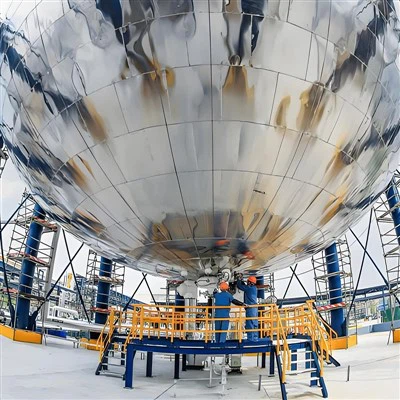
Hey there! I'm a supplier of Oxygen Liquid Plants, and I've been in this game for quite a while. Over the years, I've seen how market fluctuations can really throw a curveball at our business. So, I thought I'd take a moment to share my thoughts on what the impact of market fluctuations on an oxygen liquid plant is all about.
First off, let's talk about the basics. An oxygen liquid plant is a pretty complex piece of equipment. It's used to produce liquid oxygen, which has a whole bunch of applications, from medical use to industrial processes. But like any business, the success of an oxygen liquid plant is closely tied to the market conditions.
One of the most obvious impacts of market fluctuations is on the demand for liquid oxygen. When the economy is booming, industries like manufacturing, steelmaking, and healthcare are usually in high gear. These sectors are major consumers of liquid oxygen. For example, in the manufacturing industry, liquid oxygen is used in cutting and welding processes. When there's a lot of construction and manufacturing going on, the demand for our product skyrockets. On the other hand, during an economic downturn, these industries tend to slow down. Factories cut back on production, and construction projects get put on hold. This directly leads to a decrease in the demand for liquid oxygen. As a supplier, this means we have to adjust our production levels accordingly. We can't just keep churning out liquid oxygen if there's no one to buy it.
Another aspect is the price of raw materials. Market fluctuations can cause the prices of the raw materials needed to produce liquid oxygen to go up and down. The main raw material for an oxygen liquid plant is air, but there are also other costs involved, like energy. Energy prices are highly volatile and can be affected by a variety of factors, such as geopolitical events, supply and demand imbalances, and changes in government policies. When energy prices spike, it becomes more expensive to run our oxygen liquid plants. We have to pay more for electricity to power the compressors and other equipment. This increase in production costs can eat into our profit margins. If we can't pass on these cost increases to our customers, we're in a tough spot.
Competition is also a big factor influenced by market fluctuations. In a growing market, more players might enter the oxygen liquid plant business. They see the potential for profit and want a piece of the action. This increased competition can lead to price wars. Everyone is trying to undercut each other to get more customers. As a result, the profit margins for all suppliers shrink. We have to work harder to differentiate our products and services. We might invest in better technology to improve the quality of our liquid oxygen or offer more personalized customer service. On the flip side, during a market downturn, some competitors might go out of business. This can actually be an opportunity for us to gain a larger market share. But we still have to be careful because the overall demand is lower, so we can't expect to make up for the lost business just by taking over from our failed competitors.
Now, let's talk about how market fluctuations affect our investment decisions. When the market is stable and growing, we're more likely to invest in expanding our oxygen liquid plants. We might add new production lines or upgrade our existing equipment to increase our capacity. This allows us to meet the growing demand and stay competitive. However, when the market is uncertain or in decline, we become more cautious. We don't want to make big investments that might not pay off. Instead, we focus on maintaining our existing operations and finding ways to cut costs.


So, what can we do to deal with these market fluctuations? One strategy is to diversify our customer base. Instead of relying on just a few big customers or industries, we try to spread our business across different sectors. For example, we can target both the medical and industrial markets. This way, if one sector experiences a downturn, we still have the other to fall back on. Another approach is to enter into long - term contracts with our customers. A long - term contract can provide some stability in terms of demand and price. It gives us a better idea of how much liquid oxygen we need to produce and at what price we can sell it.
We also keep a close eye on market trends and try to anticipate changes. By staying informed about economic indicators, industry news, and regulatory changes, we can make more informed decisions. For example, if we know that there's going to be an increase in healthcare spending in the coming years, we can plan to increase our production capacity to meet the potential demand from the medical sector.
In the world of oxygen liquid plants, having the right equipment is crucial. If you're interested in building a new Liquid Oxygen Plant Build, we can offer you some great solutions. Our Liquid Oxygen Generation Plant is designed to be efficient and reliable, helping you to produce high - quality liquid oxygen. And of course, our Oxygen Liquid Plant is built with the latest technology to ensure optimal performance.
If you're in the market for an oxygen liquid plant or have any questions about our products and services, don't hesitate to reach out. We're always happy to have a chat and discuss how we can meet your specific needs. Whether you're a small business looking to start using liquid oxygen or a large corporation in need of a reliable supplier, we're here to help.
In conclusion, market fluctuations have a significant impact on an oxygen liquid plant. They affect demand, production costs, competition, and investment decisions. But by being proactive, diversifying our customer base, and staying informed, we can navigate these challenges and keep our business running smoothly.
References
- Industry reports on the oxygen liquid plant market
- News articles on economic trends and their impact on industrial sectors
- Internal company data on production, sales, and cost over the years