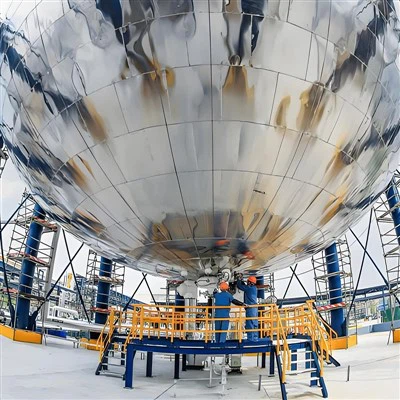
Can an oxygen plant be used at home? That's a question I've been asked quite a bit lately, especially since I'm an oxygen plant supplier. I get it; with all the health concerns and the desire for better air quality, people are looking for ways to have a reliable oxygen source right at home. So, let's dive into this topic and see if having an oxygen plant at home is a feasible idea.
First off, let's talk about what an oxygen plant is. An oxygen plant is a facility that produces oxygen, usually by separating it from other gases in the air. There are different types of oxygen plants, each with its own way of doing things. One common type is the Cryogenic Gas Separator. This type of separator works by cooling the air to extremely low temperatures until it liquefies. Then, through a process of distillation, oxygen is separated from nitrogen and other gases. It's a pretty high - tech and efficient way to produce oxygen, but it's also quite large and complex.
Another type is the pressure swing adsorption (PSA) oxygen plant. This technology uses a molecular sieve to adsorb nitrogen from the air, leaving behind relatively pure oxygen. PSA plants are more compact and can be a bit more suitable for smaller - scale operations. There's also the LNG Process Plant, which is mainly used in large - scale industrial settings, but the basic principles of gas separation are similar.
Now, can you use these at home? Well, it depends on a few factors. Let's start with the cryogenic gas separator. These are huge, industrial - scale machines. They require a lot of space, a specialized infrastructure for cooling, and a significant amount of energy to operate. The cost of installing and running a cryogenic oxygen plant at home is astronomical. You'd need a large building just to house it, and the maintenance would be a nightmare. So, for most homeowners, a cryogenic gas separator is out of the question.
On the other hand, PSA oxygen plants seem more promising for home use. They are smaller, more energy - efficient, and relatively easier to maintain. But even with PSA plants, there are still some things to consider.
One of the main concerns is safety. Oxygen is a highly reactive gas. If there's a leak or improper handling, it can pose a serious fire hazard. You need to have proper ventilation in the area where the oxygen plant is installed. Also, you need to make sure that the plant is installed correctly and that all safety protocols are followed.


Another factor is the cost. Even though PSA plants are more affordable than cryogenic ones, they still come with a price tag. You have to think about the initial purchase cost, as well as the ongoing costs of electricity, maintenance, and replacement parts. And let's not forget about the regulatory requirements. In many areas, there are strict rules about having an oxygen - producing device at home. You might need to get permits and inspections to ensure that your setup is safe and compliant.
But there are also some benefits to having an oxygen plant at home. For people with certain medical conditions, like chronic obstructive pulmonary disease (COPD) or sleep apnea, having a reliable source of oxygen can be a game - changer. It can improve their quality of life and reduce the need for frequent hospital visits. And for those who live in areas with poor air quality, an oxygen plant can help provide cleaner, oxygen - rich air.
If you're someone who's into fitness or high - altitude training, having an oxygen plant at home can also be useful. You can create a low - oxygen environment for training, which can improve your endurance and performance.
So, what's the bottom line? While it's technically possible to use an oxygen plant at home, especially a PSA - type plant, it's not something that should be taken lightly. You need to do your research, consider the costs, safety, and regulatory aspects, and decide if it's really worth it for you.
If you're still interested in exploring the option of having an oxygen plant at home, I'm here to help. As an oxygen plant supplier, I've got the knowledge and experience to guide you through the process. Whether you have questions about the different types of plants, the installation process, or the safety requirements, I can provide you with the information you need.
I can also help you find the right oxygen plant for your specific needs. We have a range of PSA oxygen plants that are designed to be reliable, efficient, and user - friendly. And if you have any concerns about the cost, we can work with you to find a solution that fits your budget.
If you think an oxygen plant at home might be right for you, don't hesitate to reach out. We can have a chat, go over your requirements, and see if we can come up with a plan that works for you. Contact me, and let's start the conversation about bringing the benefits of an oxygen plant into your home.
References
- General knowledge about oxygen plants from industry experience
- Technical specifications of oxygen plants from product manuals