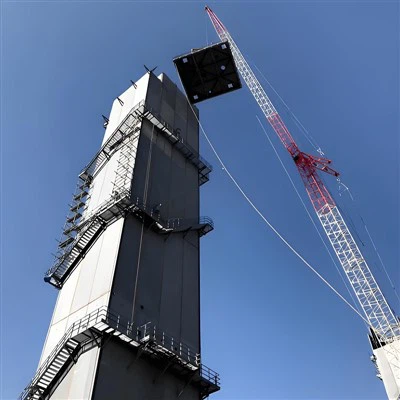
As a supplier of liquid oxygen plants, I understand the critical importance of safety measures in these facilities. Liquid oxygen (LOX) is a powerful oxidizer and cryogenic liquid, which means that handling it requires strict safety protocols to prevent accidents and ensure the well - being of workers and the surrounding environment. In this blog, I will discuss the key safety measures that should be implemented in a liquid oxygen plant.
1. Facility Design and Construction
- Location and Layout: The liquid oxygen plant should be located in an area away from populated areas, flammable materials, and sources of ignition. The layout of the plant should be designed to minimize the risk of leaks and spills. For example, storage tanks should be placed in well - ventilated areas and separated from other process equipment. The distance between different components of the plant should comply with relevant safety standards.
- Structural Integrity: The building and equipment in the liquid oxygen plant must be constructed to withstand the extreme cold and pressure associated with liquid oxygen. Materials used in the construction should be compatible with oxygen and have appropriate insulation properties. Regular inspections of the structural integrity of the plant are necessary to detect any signs of wear, corrosion, or damage.
2. Equipment Safety
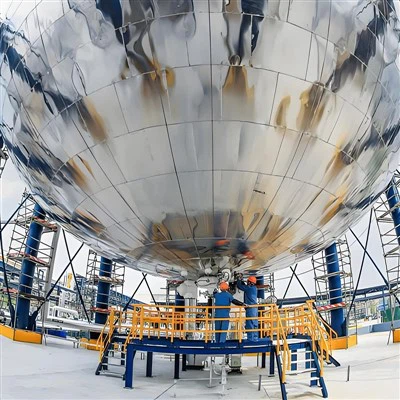
- Storage Tanks: Liquid oxygen storage tanks are a critical component of the plant. They should be designed and constructed according to strict standards. The tanks must have proper pressure relief devices to prevent over - pressurization. Additionally, level indicators and alarms should be installed to monitor the amount of liquid oxygen in the tank. Regular maintenance and inspection of storage tanks, including pressure tests and leak checks, are essential to ensure their safe operation. You can find more information about reliable storage solutions in our Liquid Oxygen Manufacturing Plant.
- Piping and Valves: The piping system in a liquid oxygen plant should be made of materials that are resistant to oxygen embrittlement and cold temperatures. Valves should be carefully selected and installed to ensure proper flow control and prevent leaks. Regular inspection of piping and valves for signs of damage, such as cracks or corrosion, is crucial. Any faulty components should be replaced immediately.
- Purification and Compression Equipment: Equipment used for purifying and compressing liquid oxygen also requires strict safety measures. Filters should be regularly replaced to ensure the purity of the oxygen. Compressors should have proper lubrication systems and temperature sensors to prevent overheating. Safety interlocks should be installed to shut down the equipment in case of abnormal operating conditions.
3. Operational Safety
- Training and Certification: All employees working in a liquid oxygen plant must receive comprehensive training on the safe handling of liquid oxygen. This training should cover topics such as the properties of liquid oxygen, emergency procedures, and the use of personal protective equipment (PPE). Workers should be certified to operate specific equipment and perform certain tasks. Regular refresher courses should be provided to keep employees updated on the latest safety practices.
- Standard Operating Procedures (SOPs): Well - defined SOPs should be established for all operations in the liquid oxygen plant, including filling, transferring, and storing liquid oxygen. These procedures should be followed strictly by all employees. SOPs should include steps for startup, shutdown, and normal operation, as well as procedures for handling emergencies.
- Monitoring and Control: Continuous monitoring of the plant's operating parameters, such as temperature, pressure, and flow rate, is essential. Automated control systems should be in place to maintain these parameters within safe limits. Any deviations from the normal operating conditions should trigger alarms and appropriate actions.
4. Fire and Explosion Prevention
- Eliminating Ignition Sources: Since liquid oxygen is a powerful oxidizer, it can support combustion and increase the risk of fire and explosion. All ignition sources, such as open flames, sparks, and hot surfaces, should be eliminated from the liquid oxygen plant area. Electrical equipment should be properly grounded and explosion - proof. Smoking should be strictly prohibited within the plant premises.
- Ventilation: Adequate ventilation is necessary to prevent the accumulation of oxygen in the air. Ventilation systems should be designed to remove any leaked oxygen and maintain a safe oxygen concentration in the work area. The ventilation rate should be calculated based on the size of the plant and the potential for oxygen leaks.
- Fire Protection Systems: Fire protection systems, such as sprinklers, fire extinguishers, and fire alarms, should be installed throughout the liquid oxygen plant. These systems should be regularly inspected and maintained to ensure their proper functioning. Employees should be trained on how to use fire extinguishers in case of a fire.
5. Emergency Preparedness
- Emergency Response Plans: A comprehensive emergency response plan should be developed for the liquid oxygen plant. This plan should include procedures for dealing with various emergencies, such as leaks, spills, fires, and explosions. It should also define the roles and responsibilities of employees during an emergency. Regular drills should be conducted to test the effectiveness of the emergency response plan.
- Personal Protective Equipment (PPE): All employees working in the liquid oxygen plant should be provided with appropriate PPE, such as insulated gloves, goggles, and face shields. PPE should be regularly inspected and replaced if it is damaged or worn out. In case of an emergency, employees should know how to properly use their PPE.
6. Environmental Safety
- Spill Containment: In the event of a liquid oxygen spill, proper spill containment measures should be in place. Spill containment berms and trays should be installed around storage tanks and equipment to prevent the spread of liquid oxygen. Absorbent materials should be available to soak up any spilled oxygen.
- Waste Management: The liquid oxygen plant should have a proper waste management system. Any waste products generated during the production process, such as impurities removed during purification, should be disposed of in an environmentally friendly manner. This may involve recycling or proper disposal at a licensed waste treatment facility.
Conclusion
Safety is of utmost importance in a liquid oxygen plant. By implementing the above - mentioned safety measures, we can minimize the risk of accidents and ensure the smooth operation of the plant. At our company, we are committed to providing high - quality Liquid Oxygen Generation Plant and LOX Plant solutions that meet the highest safety standards.
If you are interested in purchasing a liquid oxygen plant or have any questions about our products and safety measures, please feel free to contact us for further discussion. We look forward to the opportunity to work with you and provide you with a reliable and safe liquid oxygen plant solution.


References
- National Fire Protection Association (NFPA) standards related to oxygen systems.
- Occupational Safety and Health Administration (OSHA) regulations for cryogenic and oxygen handling.
- Industry - specific guidelines from professional organizations in the field of oxygen production.